Richpanel Pricing 2026: Three Seats, Six Invoices
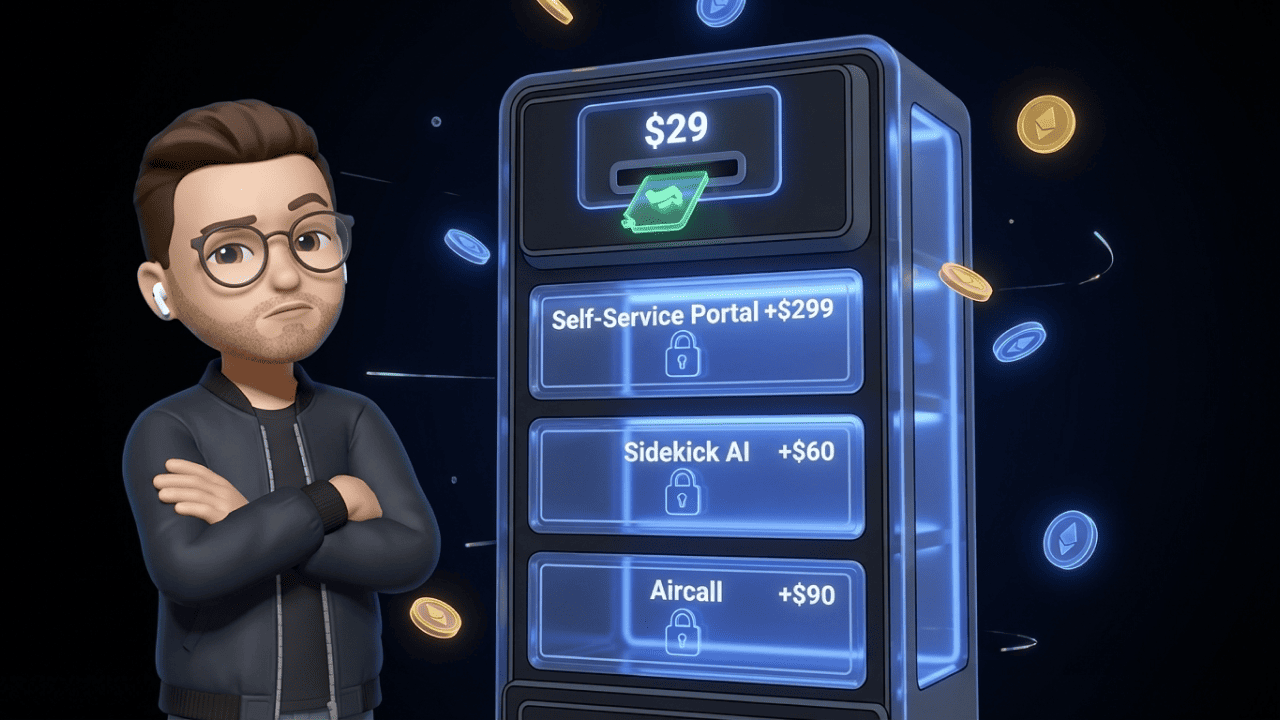
Richpanel starts at $29/user (Starter), $49 (Regular), and $99 (Pro). The real costs come from add-ons: the Self-Service Portal (from $100/month), AI features ($20/user), and external phone integrations (e.g., Aircall). A typical e-commerce setup realistically costs between $300 and $600 per month.

By Johannes Mansbart
CEO & Co-Founder, chatarmin.com
Last updated at: April 01, 2026
Comparisons & Alternatives
☝️ The most important facts in brief
- Three plans from $29 to $99/seat — the seat model itself is straightforward, the add-ons are not.
- Self-service portal from ~$100/month extra — the exact feature you're evaluating Richpanel for is not included in any base plan.
- Sidekick AI ($20/seat) is described by Shopify users as far from an autonomous AI agent.
- No native phone support — Aircall requires a minimum of 3 licenses, even if only one person takes calls.
- 3-agent setup with full feature set: realistically ~$655/month — the "$29 starting price" multiplies fast.
$29 per agent. That's the number on the pricing page. But the feature you're actually evaluating Richpanel for — the self-service portal where customers handle returns and order status on their own — isn't included in any of the three base plans.
It costs extra. And it's not the only add-on inflating your invoice.
In this article, I'll break down exactly which line items make up a real Richpanel invoice. Three seats, six charges — and why the gap between the pricing page and reality is wider at Richpanel than at most e-commerce helpdesk tools.
The Core: What $29, $49, and $99 Get You
Richpanel charges per seat — per agent working in the system. For shops with high ticket volume and a small team, that sounds attractive because costs don't scale linearly with inquiry volume. Here are the three plans:
Starter — $29/seat/month
Email, live chat, Facebook, and Instagram. Basic ticket management and one store connection. Designed for testing — too thin for real e-commerce support.
What's missing: No SMS, no phone, no WhatsApp, no CSAT surveys, no revenue reporting. Annual billing drops the price to around $24/month per seat.
Regular — $49/seat/month
SMS and phone are added — though only via third-party integrations (more on that shortly). Round-robin assignment, CSAT surveys, revenue reports. Up to two stores.
Assessment: The relevant plan for D2C brands with 3–5 agents. But without the self-service portal and without AI, you're missing the features that differentiate Richpanel from a standard helpdesk.
Pro — $99/seat/month
Multilingual support, balanced assignment, dedicated success manager. Only from this plan: WhatsApp as a channel.
Assessment: Built for internationally selling brands with multilingual support needs. But even here: self-service portal and AI remain add-ons.
The Extras: Where the Real Costs Come From
The seat model is the base. The add-ons are the invoice. Richpanel doesn't earn its money from $29 seats — it earns from the ecosystem around them.
Self-Service Portal — Cost Driver #1
The portal is the reason people look at Richpanel: customers resolve returns, cancellations, and order status on their own — without your support team. The Amazon principle for D2C shops.
The problem: It's not included in any base plan.
The pricing is order-based:
| Order Volume/Month | Portal Cost/Month |
|---|---|
| Up to 5,000 orders | from approx. $100–$120 |
| Up to 20,000 orders | approx. $299+ |
| Above that | custom pricing |
Shopify App Store reviewers add a detail the pricing page doesn't mention: without the paid portal, live chat and pop-ups are barely functional. You're essentially paying admission to use the tool the way it's advertised.
Sidekick AI — $20/seat/month
Richpanel's AI assistant uses GPT-4, trained on your data. For 3 agents: $60 extra per month.
An often-overlooked detail: training data is frequently limited in volume — the Pro plan caps at approximately 20,000 records. For shops with large product catalogs, that can become a bottleneck.
What users say: Shopify App Store reviewers describe Sidekick as still far from an autonomous agent. More of an enhanced text-snippet assistant that requires human review. A step short of an AI agent that resolves tickets independently.
Phone Support — No Native Solution
Unlike Gorgias or Zendesk, Richpanel has no built-in voice functionality. You need integrations like Aircall or RingCentral.
The Aircall problem for small teams: Aircall requires a minimum of 3 licenses (approx. $30–$50 per user). Even if only one person takes calls, you're paying at least $90–$150/month on top. And if the integration between Richpanel and Aircall breaks, your phone support goes dark. No fallback.
Other Add-Ons
- Social Media Moderator AI: Automatically hides spam and hate speech on your social channels — $59/month.
- WhatsApp: Meta API fees apply separately, depending on message volume. Available from Pro plan only.
- Automation Success Kit: One-time onboarding for $2,000. Richpanel promises 30% automation within 60 days — with a money-back guarantee.
Cost Example: 3 Agents, D2C Shop with 10,000 Orders/Month
| Item | Cost/Month |
|---|---|
| 3× Regular Seat ($49) | $147 |
| Self-Service Portal (up to 20k orders) | $299 |
| 3× Sidekick AI ($20) | $60 |
| Social Media Moderator | $59 |
| Aircall Phone (3× minimum, at $30) | $90 |
| Total (excl. WhatsApp, excl. onboarding) | $655/month |
Six line items on one invoice. The $29 from the homepage? Less than 5% of the actual monthly cost.
What Users Report in Practice
Pricing is one thing. Daily use reveals more:
Analytics issues: A recurring theme in G2 reviews: reporting data in Richpanel is often inaccurate. Users report discrepancies in data exports and slow dashboard loading times. If you want to steer your support performance with data, unreliable reports mean you're making decisions on numbers that don't add up.
Contract buyout as a sales tactic: Richpanel offers to buy you out of existing Gorgias or Zendesk contracts. Sounds generous. But in a seat model with six add-on charges, they recoup the investment over time. Aggressive customer acquisition signals confidence — not charity.
Automation guarantee: 30% of tickets automated within 60 days — or your money back. Fairly stated. The catch: the Automation Success Kit costs $2,000 upfront.
Seat Model vs. Ticket Model: Richpanel Against Gorgias
The most common comparison in the e-commerce helpdesk world. Both target Shopify brands, but the billing logic is fundamentally different.
Gorgias charges per billable ticket. The more customer inquiries, the higher the bill. For fast-growing shops, that can get expensive. But automation is included in the ticket price — no separate portal add-on. And: Gorgias has native voice. No Aircall needed.
Richpanel charges per seat. Whether your agent handles 10 or 500 tickets per day — the seat price stays the same. Sounds cheaper at high volume. But: automation (the portal) is a separate, order-based add-on. And phone must be purchased externally.
| Criterion | Richpanel | Gorgias |
|---|---|---|
| Billing model | Per seat (agent) | Per ticket (volume) |
| Self-service / Automation | Separate add-on from $100/month | Included in plan |
| Phone | External (Aircall) | Native |
| AI | Add-on ($20/seat) | Integrated in automation |
| From Pro ($99/seat) | Add-on | |
| Advantage for | Few agents, many tickets | Growing team, moderate volume |
Which model is cheaper depends on the ratio between ticket volume and team size. Few agents, very high volume? Richpanel can work out. Growing team, moderate volume? Gorgias often wins.
The Invisible Price Tag: Time and Lock-In
A cost factor that doesn't appear on any invoice: your own time.
Setting up self-service flows — which return gets auto-approved, which needs manual review, which response goes to a late delivery — is detail work. Teams typically invest several weeks in configuration before flows run cleanly.
That's exactly where lock-in starts. Not the contract — your own investment in the system. Every flow, every rule, every exception would need to be rebuilt from scratch on a new platform. Richpanel binds you through the effort you put into their ecosystem.
Factor that in before you sign.
Who Richpanel Works For — and Who It Doesn't
Richpanel makes sense if you:
- Run a D2C shop with high ticket volume (1,000+ tickets/week) and a small support team (2–4 agents)
- Plan to use the self-service portal consistently — and budget $100–$300/month extra for it
- Want to automate standard inquiries (returns, "Where is my package?") so your team can focus on complex cases
Richpanel becomes a problem if you:
- Have a small team with low ticket volume — add-on costs eat up the seat advantage
- Want to use WhatsApp as a primary support or marketing channel — at Richpanel, WhatsApp is a side channel, not a core product
- Expect true AI agents that handle conversations autonomously
- Need phone support and don't want the risk of third-party integrations
- Operate in Europe and need clarity on GDPR-compliant server locations
GDPR Assessment for European Teams
Richpanel states GDPR compliance. Enterprise customers get data locality options. Still: it's a US-based vendor. Before purchasing, verify where exactly your customer data is stored and whether a Data Processing Agreement (DPA) meeting European standards is available.
For European brands that want to play it safe, EU-hosted alternatives with native DPAs are the lower-risk choice.
The Invoice on One Page
| What you expect | What you pay |
|---|---|
| 3 seats on the Regular plan | $147/month |
| + Self-service portal | + $299 |
| + AI for all 3 agents | + $60 |
| + Phone (Aircall) | + $90 |
| + Social moderation | + $59 |
| = Actual monthly cost | $655 |
One sentence: Richpanel's seat model is fair — as long as you know about the six charges beyond the seat price and factor them in before you sign.
If your biggest lever isn't the helpdesk but direct customer contact via WhatsApp — campaigns, flows, personalized messaging — then a helpdesk tool is solving the wrong problem.
Book a demo at Chatarmin — we'll show you in 15 minutes whether WhatsApp marketing and AI customer service make sense for your case.
Frequently Asked Questions About Richpanel Pricing
Is Richpanel free?
No. There's a 14-day trial and a limited free plan (max. 1,000 orders), which isn't sufficient for serious e-commerce.
How much does the Richpanel self-service portal cost?
The add-on starts at around $100/month (up to 5,000 orders) and rises to approximately $299/month at 20,000 orders.
Does Richpanel include WhatsApp?
WhatsApp is available from the Pro plan ($99/seat) only. Separate Meta fees per conversation apply on top.
Is Richpanel GDPR-compliant?
Richpanel claims GDPR compliance. Enterprise customers get data locality options. Verify server locations and DPA availability for your specific case.
Can I cancel Richpanel monthly?
Yes, all plans are available monthly. Annual contracts are roughly 20% cheaper.
Does Richpanel have a native phone feature?
No. You need integrations like Aircall (from $30/user, minimum 3 licenses) or RingCentral.
Is Richpanel worth it for small shops?
Often not. Required add-ons (portal, AI) quickly reach $200–$300/month — hard to justify at low ticket volume.
What's the difference between Richpanel and Gorgias?
Richpanel charges per agent (seat), Gorgias per ticket (volume). Richpanel works better with many inquiries and a small team. Gorgias includes automation in the plan; Richpanel sells it as an add-on.
Are there add-on costs beyond the seat price?
Yes — the self-service portal ($100+/month), AI ($20/user), phone (Aircall, minimum 3 licenses), and social media moderator ($59/month) are separate charges.
Can I migrate data from Gorgias or Zendesk to Richpanel?
Yes. Richpanel offers migration tools and a contract buyout program that covers existing competitor contracts.
Is the reporting in Richpanel reliable?
G2 users repeatedly criticize inaccuracies in analytics reports and slow dashboard loading times. Test reporting quality during the trial.
Does Richpanel work with Magento and WooCommerce?
Yes. Alongside Shopify, there are integrations for Magento and WooCommerce, though some features (like deep order edits) work best on Shopify.
Related Articles
More articles from the same category, sorted by most recent updates
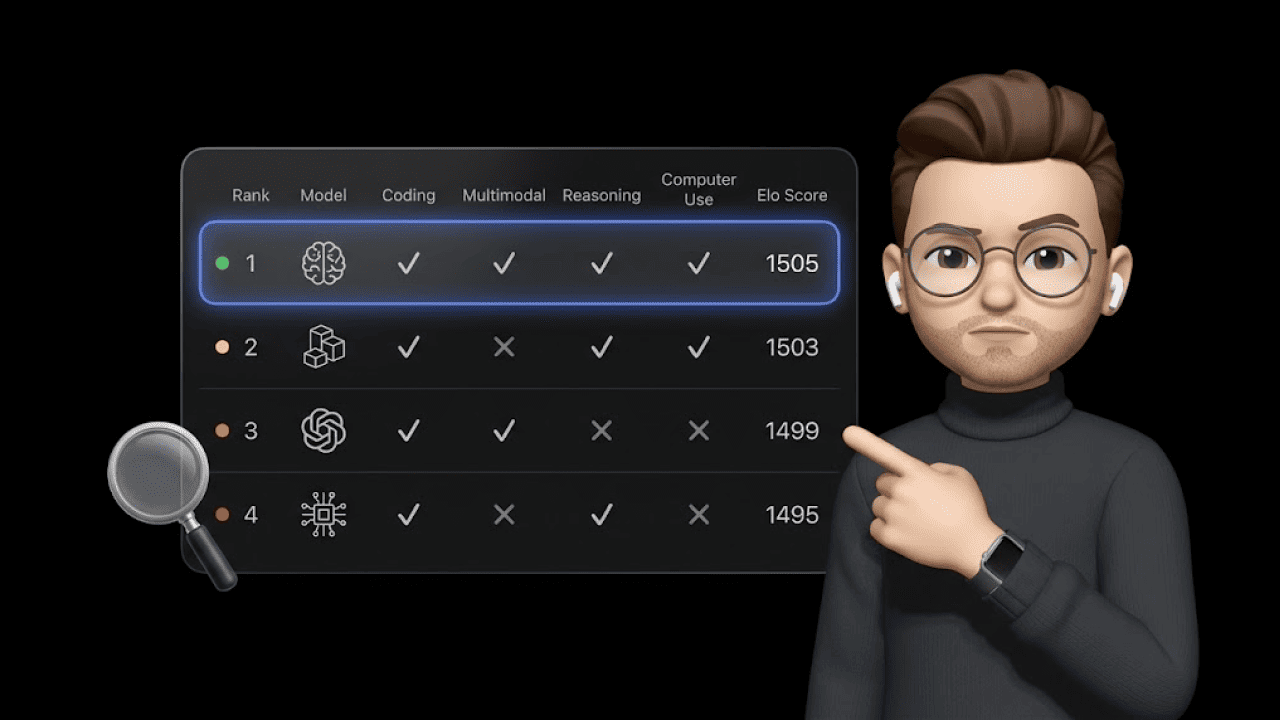
Ultimate AI Alternative 2026: What Actually Matters After ChatGPT, Zendesk & Co.
ChatGPT's market share drops to 65%. Ultimate AI is now part of Zendesk. We compare Claude, Gemini, GPT-5.4, and DeepSeek — plus ArminCX as a CX alternative for e-commerce. With benchmark tables, pricing breakdown, and 12 FAQs.

Help Scout Pricing 2026: What It Actually Costs (With Real Math)
Help Scout pricing 2026 in detail: Free, Standard, Plus & Pro plans incl. hidden costs for AI and inboxes. Honest comparison and why email alone isn't enough anymore.
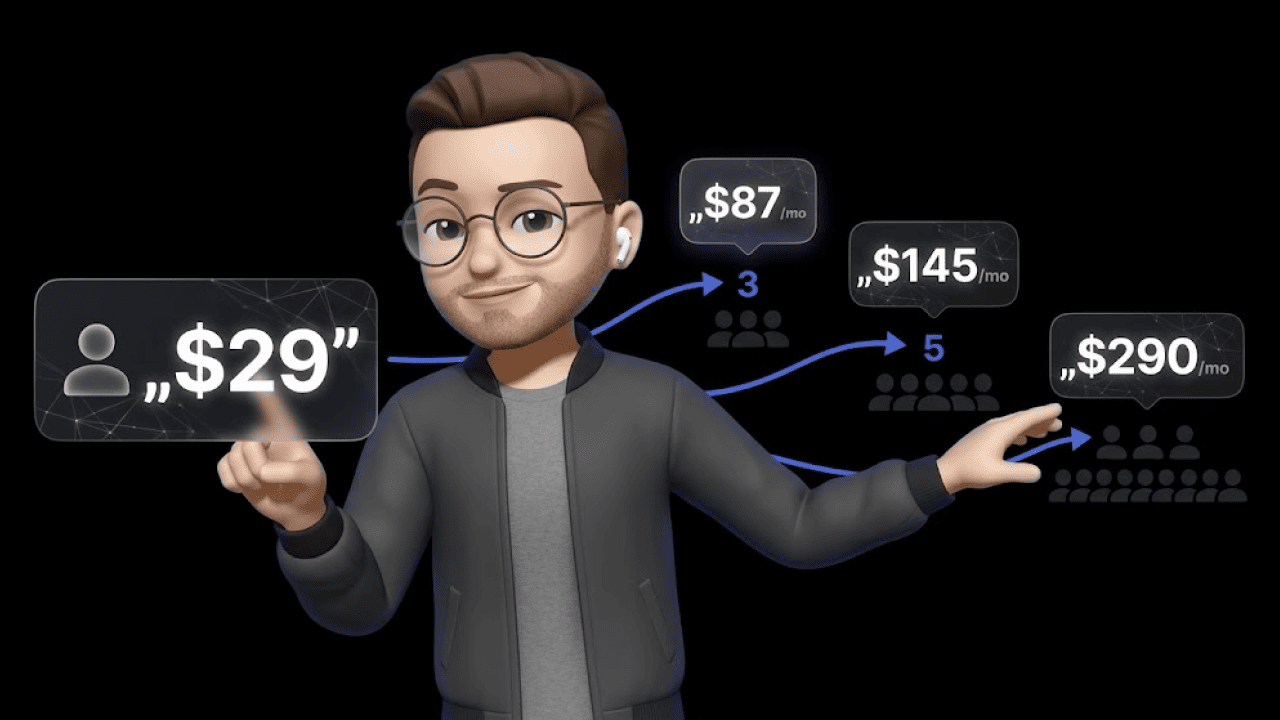
Helpspace Pricing 2026: What Does It Really Cost – and When Do You Need More?
Helpspace pricing explained: Free, Pro & Enterprise compared. Plus: Why a unified inbox tool often isn't enough for WhatsApp marketing in e-commerce.
More Articles

The 10 Best AI Agent Tools in 2026 Compared
The best AI agent tools in 2026 are autonomous systems like Salesforce Agentforce, Cursor, Sierra, and Chatarmin (ArminCX) that execute complex workflows independently. Unlike chatbots, they operate across platform boundaries, make their own decisions, and directly access CRM, shop, and support systems.

Vertical AI Agents: Why Industry-Specific AI Is Replacing Traditional SaaS
Vertical AI Agents are industry-specific AI systems that execute processes autonomously. This article covers architecture, use cases, costs ($10k–$300k), multi-agent systems, and why top investors predict Vertical AI will be 10x larger than SaaS.
Help Scout Pricing 2026: What It Actually Costs (With Real Math)
Help Scout pricing 2026 in detail: Free, Standard, Plus & Pro plans incl. hidden costs for AI and inboxes. Honest comparison and why email alone isn't enough anymore.

Turn conversations into revenue
Launch WhatsApp campaigns and AI-powered support in only a few days. GDPR-compliant & built for DACH E-Commerce.