
You're paying Intercom $29–132 per seat per month. Add $0.99 per AI resolution, SMS fees, WhatsApp costs, and add-ons. A 10-person team on the Advanced plan easily hits over $2,000/month — before AI even scales.
The problem: The better Intercom's AI agent Fin performs, the higher your bill. You're punished for better automation. For e-commerce teams, it gets worse: no native Shopify actions, no European ERP integrations, no EU hosting by default.
This comparison covers 12 Intercom alternatives — with real pricing, concrete weaknesses, and a clear recommendation for which solution fits which setup.
Why Look for an Intercom Alternative?
Intercom is a strong product. No question. The messenger is polished, the AI features are ambitious. But three things make it increasingly difficult for e-commerce support teams:
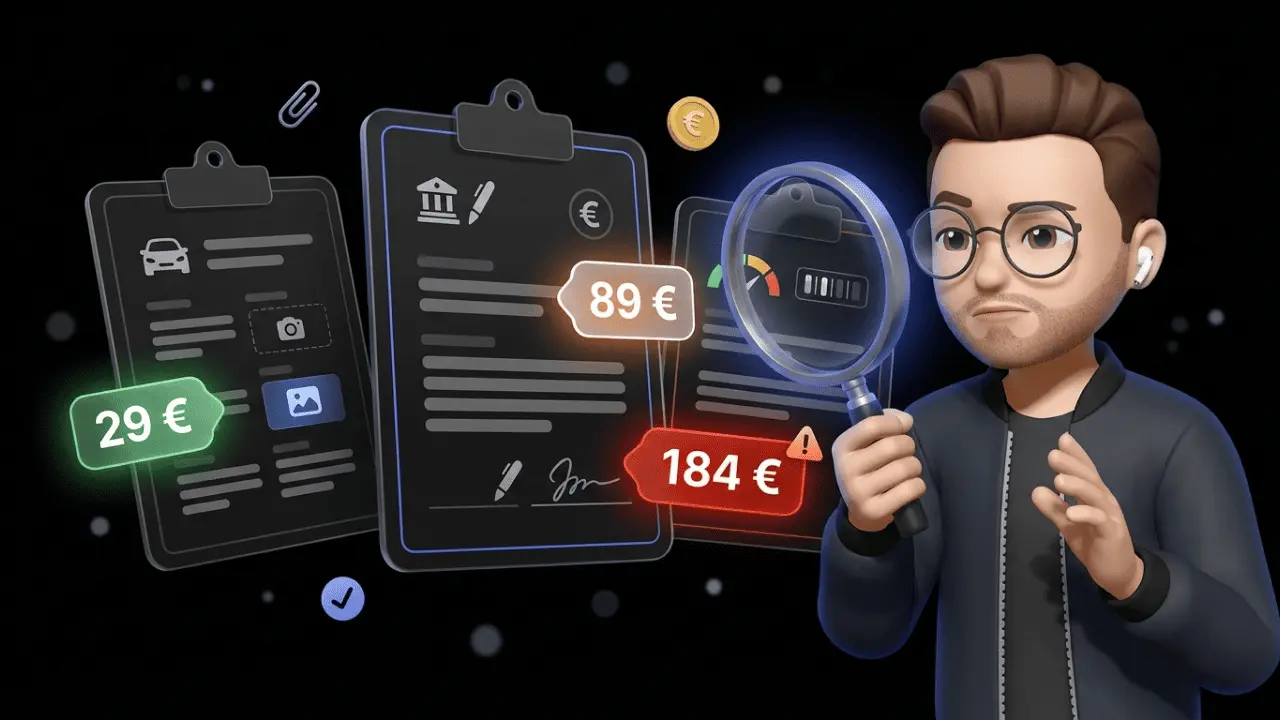
1. Pricing becomes unpredictable. Seat costs plus $0.99 per Fin resolution plus SMS fees plus WhatsApp costs plus Proactive Support Plus ($99/month for 500 messages). User reports show monthly bills jumping from $119 to $854 — without warning. Mid-market teams report $1,000–5,000 per month once AI usage ramps up.
2. No deep e-commerce integrations. Intercom displays Shopify data. But canceling orders, processing refunds, changing addresses? That doesn't work. Your agent still switches between tabs. For European ERPs like JTL, Xentral, or Billbee — there's no native integration at all. In our sales calls, we hear this constantly: teams using Intercom or Zendesk jump between three to five open tabs per ticket.
3. GDPR isn't a core product. EU hosting exists, but it's not the default. Many European businesses need extra contracts. And when your legal team asks where exactly the data lives — things get complicated fast. EU hosting is only available from the Advanced plan ($85/seat) upward.
That doesn't mean Intercom is bad. But if you run a Shopify store with 500–5,000 tickets per month and your support team isn't in San Francisco, there are better options.
Criteria for a Modern Intercom Alternative
Before you compare tools, answer three questions: What's your primary channel? How deep does the shop integration need to be? And how much support volume are you handling?
From there, the relevant criteria emerge:
| Criterion | Why It Matters | Where Intercom Falls Short |
|---|---|---|
| Omnichannel inbox | No switching between tools | Good, but WhatsApp and Voice cost extra |
| AI with backend actions | Cancellations, refunds, address changes — automated | Fin generates text — doesn't execute actions |
| Shop integration | Order data in the ticket without tab-switching | Shopify display yes, actions no. No JTL/Xentral |
| Pricing model | Predictable even at scale | Per-seat + per-resolution = double cost escalation |
| GDPR & EU hosting | Mandatory for European businesses | Available, but not default |
| Onboarding & support | Hands-on, localized | English-only, self-service oriented |
| Workflow automation | Routing, auto-close, intent detection | From Advanced ($85/seat), limited vs. specialized tools |
One more point that's often underestimated: Employee experience. Your support team doesn't voluntarily answer "Where is my package?" for the 50th time today. Tools that automate repetitive requests don't just cut costs — they make the job bearable. That reduces turnover. And turnover is expensive: $6,500–16,000 per departed support agent in recruiting and onboarding costs, according to HR research.
The 12 Best Intercom Alternatives for E-Commerce
| Provider | Channels | Highlight | Pricing | Best For |
|---|---|---|---|---|
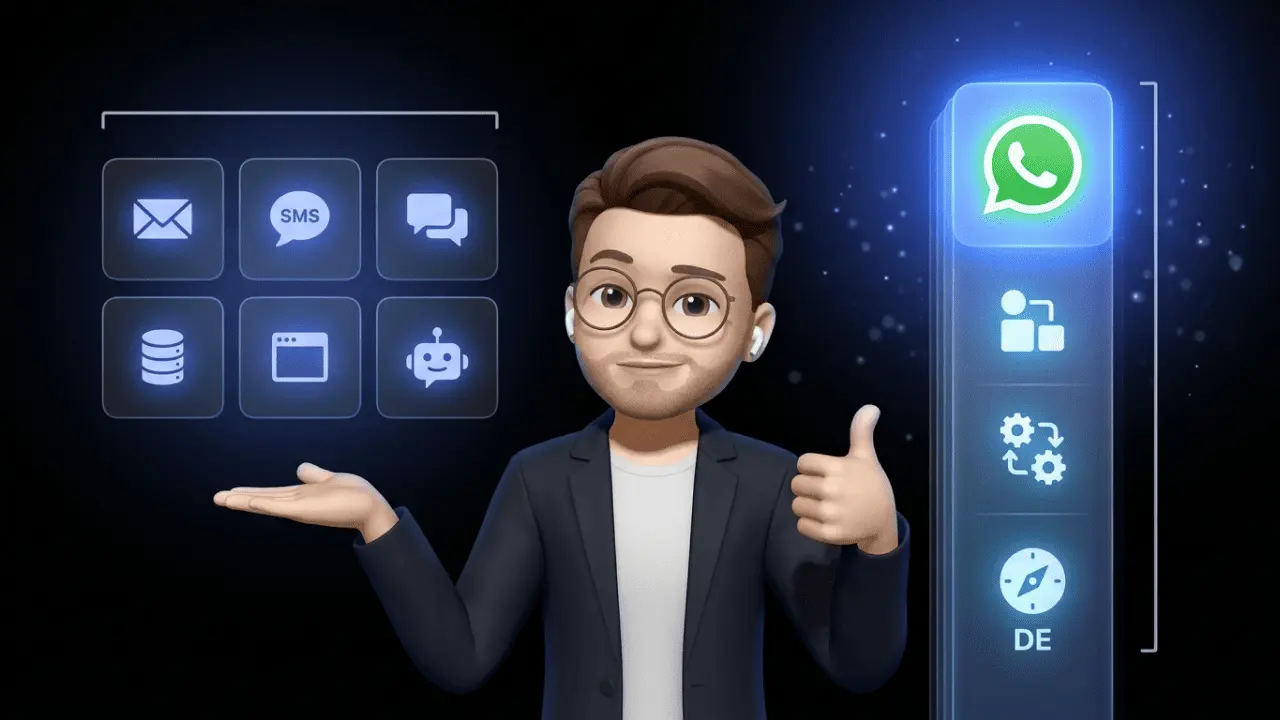
| Chatarmin (armincx) | WhatsApp, Chat, Email, Social, Voice | AI with backend actions, Shopify/ERP integration, EU cloud | Flat rate + AI credits, no per-seat | E-commerce, 500–50,000 tickets/month |
| Zendesk | Email, Chat, Social, Phone | Strong helpdesk, 200,000 enterprise customers | Per seat, from $55/agent | Large teams with complex support |
| Freshdesk | Live Chat, Email, Social | Affordable entry, self-service | Tiered from $15/agent | Cost-conscious teams |
| Gorgias | Email, Chat, Social, WhatsApp | E-commerce focus, Shopify-native | Per ticket (from $10/50 tickets) | Shopify shops, US market |
| HubSpot Service Hub | Chat, Email, CRM, Social | All-in-one CRM suite | Modular, from $45/month | CRM-driven teams |
| Crisp | Chat, Email, Social | Team inbox, simple | From €25/month | Startups, small teams |
| Tidio | Chat, Bot, Email, WhatsApp | Bot automation for shops | From $29/month | Small shops with bot focus |
| Zoho Desk | Chat, Email, Social | Helpdesk with CRM integration | From $14/agent | SMBs, budget-conscious |
| ManyChat | Messenger, WhatsApp, Instagram | Marketing automation, broadcasts | From $15/month | Social media marketing, lead gen |
| Superchat | WhatsApp, Chat, Email | WhatsApp-first, German servers | Tiered pricing | Small teams, WhatsApp support |
| Lime Connect (Userlike) | Chat, Email, WhatsApp | GDPR focus, German servers | Flexible packages | SMBs with privacy priority |
| Hubtype | Chat, WhatsApp, Social | Conversational AI, enterprise | Custom pricing | Large brands, complex workflows |
Providers at a Glance: Strengths, Limits, and Who Benefits
Chatarmin (armincx)
armincx is Chatarmin's AI customer service product — built for e-commerce, not as a general-purpose helpdesk. The difference to Intercom: The AI executes real backend actions. Cancellation in Shopify? Done. Refund? Automatic. Address change in JTL? No agent needed.
According to a Leafworks/Zendesk webinar (February 2026), average handling time in customer service is ~5 minutes per ticket net. That's ~100 tickets per agent per day. With AI support, that increases to 130–180 tickets — a productivity gain of 30–80%.
For armincx customers, we measure via Average Resolution Time (ART) — which also excludes wait times — improvements of 24–91% vs. the prior period. ART is methodologically similar to AHT, but not identical. Transparency matters more than marketing numbers.
Strengths: AI-first architecture, native Shopify+JTL+Xentral integration, AI image analysis (detects damage in photos), intent-based routing, EU hosting, no per-seat pricing, done-for-you onboarding.
Limits: E-commerce focus — not optimized for SaaS onboarding or pure help center setups. No native Amazon/eBay marketplace support.
Best for: E-commerce brands with Shopify, Shopware, JTL, or Xentral in their stack.
Zendesk
The incumbent. 200,000 enterprise customers worldwide (source: Leafworks webinar, February 2026). Zendesk can do almost everything — but "almost everything" also means "perfect for no one."
Zendesk's AI generates text responses. But: Zendesk AI can't natively process PDFs, attachments, or images. Every solution requires custom engineering through external agencies like Leafworks — not scalable, not transferable. Setup costs of €20,000–40,000 aren't unusual for larger installations.
What we know from our sales calls: Leafworks, the largest Zendesk partner in the DACH region, actively recommends armincx for e-commerce customers. That says something.
Strengths: Massive ecosystem, deep analytics, proven for enterprise teams. Limits: Complex setup, per-seat pricing, no native AI actions for e-commerce. Best for: Companies with 50+ agents and complex, cross-channel support structures.
Detailed comparison: armincx vs. Zendesk →
Freshdesk
Solid helpdesk with an affordable entry point. Automations cover standard workflows. But Freshdesk — like Zendesk — is a generalist. AI is an add-on: $29 per agent per month extra for the AI copilot. The first 500 AI sessions are included, then $100 per 1,000 sessions. A 10-person team on Pro + Copilot pays around $780/month — without omnichannel.
Strengths: Intuitive interface, good value for standard support. Limits: No deep Shopify actions, limited conversational AI. No WhatsApp marketing. Omnichannel is a separate product. Best for: Cost-conscious teams with standard support needs.
Detailed comparison: Freshdesk vs. Zendesk →
Gorgias
Gorgias understands e-commerce. Shopify integration is native, macros are strong. But: Gorgias charges per ticket. During peak season — Black Friday, Christmas — costs explode exactly when you can least afford it.
Here's the math: A shop with 2,000 tickets/month and 30% automation (600 AI resolutions × $0.90) pays around $900/month instead of the expected $360. During peak months with +50% volume, the bill climbs past $1,500. On top of that: Gorgias doesn't merge tickets from the same customer across channels. Your customer writes via email and WhatsApp — two tickets, two agents, double the work.
Strengths: Native Shopify integration, macro library, e-commerce focus. Limits: Per-ticket pricing with double billing on AI resolutions, no channel merging, limited European ERP integration. No Shopware integration. Best for: US-oriented Shopify shops with predictable ticket volume.
HubSpot Service Hub
If your company already lives in the HubSpot ecosystem, the Service Hub makes sense. CRM data flows directly into support. But as a standalone customer service tool, HubSpot is expensive and limited.
Strengths: Native CRM integration, reporting, marketing+sales+service in one. Limits: Feature expansion gets expensive fast. No deep e-commerce actions. Shopify integration only via third parties. Best for: CRM-driven companies looking to unify marketing and support.
Crisp
Compact, affordable, quick to set up. Crisp is the solution for teams that need nothing more than live chat and a team inbox. For anything beyond that — AI automation, backend actions, analytics — it lacks depth.
Strengths: Intuitive UX, good pricing, fast setup. Limits: No enterprise focus, limited AI, no e-commerce integrations. Best for: Startups and small teams under 5 agents.
Tidio
Chat and bot platform focused on automation. Tidio offers WhatsApp bots and simple chat flows. For small shops with low ticket volume, that works. For anything above 200 tickets per month, it gets tight.
The catch: All self-service plans are capped at 10 agents max. Need an 11th seat? You have to upgrade to the Tidio+ plan — at least $749/month. For seasonal growth in e-commerce, that's a scaling trap.
Strengths: Simple bot builder, WhatsApp integration, affordable entry. Limits: Not for complex teams or large data volumes. No backend actions. 10-seat cap. Best for: Small online shops looking to automate live chat.
Zoho Desk
Budget helpdesk with CRM integration. Zoho Desk covers the basics: ticketing, automations, reporting. AI depth is low, but for the price, you get a solid foundation.
Strengths: Affordable entry at $14/agent, fast implementation, Zoho ecosystem. Limits: Low AI depth, UX weaknesses vs. premium tools. No e-commerce specialization. Best for: SMBs and startups with limited budget.
ManyChat
Not really a support tool — but if you're running Messenger marketing and lead generation via Instagram and WhatsApp, ManyChat is strong. For customer service, almost everything is missing: no ticketing, no routing, no agent dashboard.
Strengths: Meta integrations, broadcast features, simple automations. Limits: No support focus, limited GDPR options. No EU hosting. Best for: Social media marketing and lead gen, not customer service.
Superchat
German WhatsApp solution with a central inbox. Superchat is built for small teams that want to do WhatsApp support without setting up a complex system. But: Users report outages and a weak chatbot. The AI depth doesn't match specialized e-commerce customer service tools.
Strengths: WhatsApp-first, GDPR-compliant, easy setup. Limits: Limited customization options, shallow AI, stability issues. Best for: Small teams with a pure WhatsApp focus.
Lime Connect (formerly Userlike)
European chat solution with a strong privacy focus. Lime Connect is based in Germany, hosts in Germany — that alone is the deciding argument for some businesses.
Strengths: GDPR-compliant out of the box, intuitive UX. Limits: Limited AI, no strong omnichannel approach. No e-commerce focus. Best for: SMBs that prioritize data privacy over feature depth.
Hubtype
Enterprise conversational AI for large corporations. If you need custom chat workflows for complex use cases (insurance, banking, telco), Hubtype is an option. For e-commerce, it's too complex and too expensive.
Strengths: AI workflows for enterprise use cases, deep integrations. Limits: Not for small teams, technically demanding, no e-commerce focus. Best for: Large corporations with custom conversational AI requirements.
What armincx Does Differently as an Intercom Alternative
The core difference: Intercom is a messenger tool with an AI add-on. armincx is an AI customer service tool with messenger functionality. That sounds like a claim — but it's not. Here's what it means in practice:
AI image analysis: What Intercom can't do. A customer sends a photo of a cracked screen. armincx automatically identifies: product matched, damage type "screen crack", warranty status valid. The agent sees a structured summary — no manual reading, no interpretation. Intercom? Can't process attachments or images. Neither can Zendesk — that requires custom endpoints through external agencies.
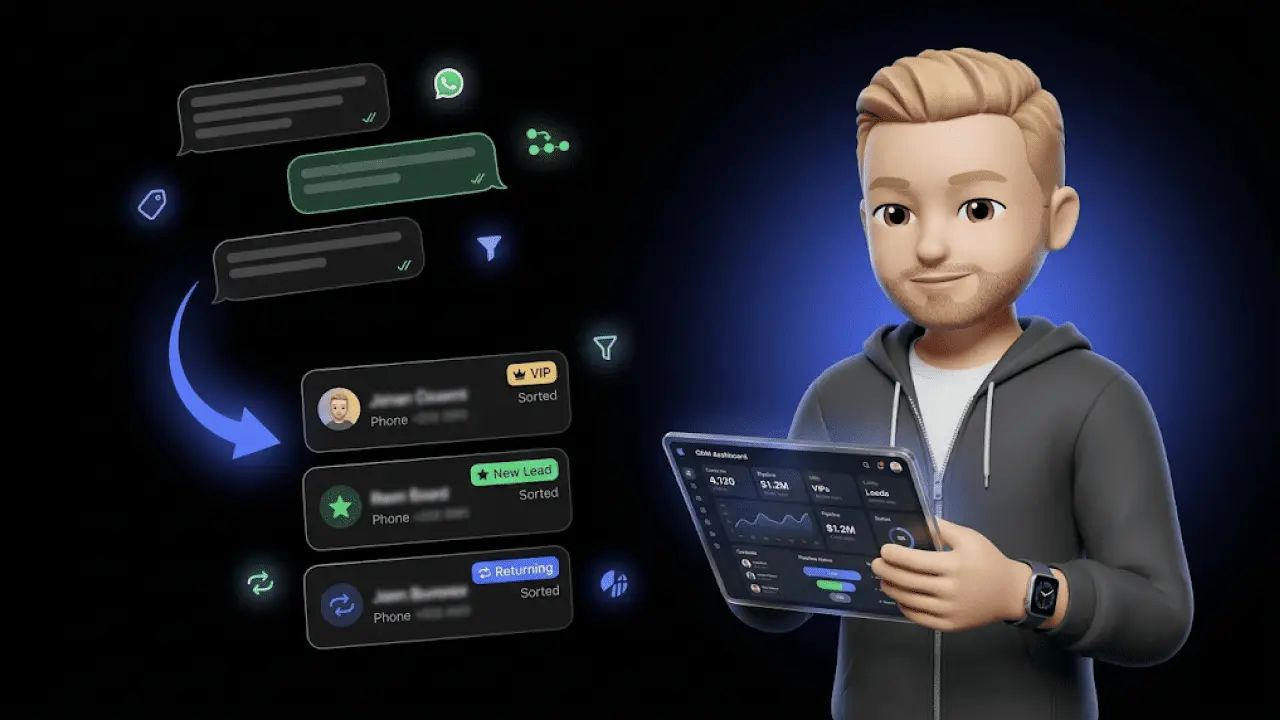
Intelligent routing by intent and sentiment. Accident report? Goes straight to the claims team, priority 1. Standard FAQ like "What's my PIN?" Automatic response, zero agent effort. Just a "Thanks"? Auto-close — no artificial reopen rate. More on how AI in customer service works today in our deep dive.
These sound like details. But they're the details that make the difference between 100 and 180 tickets per agent per day.
WhatsApp marketing + support in one system. Your customer receives a WhatsApp newsletter — and replies with a support question. With Intercom, you need two systems for that. With Chatarmin, the reply automatically becomes a ticket. No channel break, no second vendor.
Pricing without nasty surprises. armincx charges no per-seat fees and no per-resolution fees. You pay a flat rate plus variable AI credits. Growing your team from 3 to 10 agents? No cost explosion. Your AI gets better? You're not punished for it.
When You Should Switch from Intercom — and When Not
The switch makes sense if:
Your ticket volume grows and the Intercom bill grows with it. Per-seat plus per-resolution means: every improvement costs you money. At 500 tickets/month it becomes noticeable. At 2,000 tickets/month it becomes painful.
Your support handles repetitive e-commerce requests. "Where is my package?", returns, cancellations, invoice requests — if that's 50% of your volume, you need AI with backend actions. Not AI that only generates text.
You have European ERPs in your stack. JTL, Xentral, Billbee, Shopware — Intercom doesn't know these systems. armincx has native integrations for the European e-commerce stack.
GDPR isn't "nice to have" but a requirement. EU hosting by default, DPA included, no US data processing.
The switch does not make sense if: You're building a SaaS product and use Intercom primarily for in-app messaging and onboarding flows. That's still Intercom's strength. armincx doesn't replace the Intercom messenger on your app — it replaces the support backend.
What Modern Intercom Alternatives Need to Deliver in 2026
The bar has shifted. In 2023, a live chat with a ticket system was enough. Not in 2026. Here's what counts:
AI that acts — not just answers. Generating text is table stakes. But executing a cancellation, triggering a refund, pulling a tracking link from the ERP? That separates toys from tools. A full comparison of helpdesk software for e-commerce shows where the differences lie.
Omnichannel without channel fees. Intercom charges extra for WhatsApp, SMS, Voice. A modern tool includes all channels in the omnichannel inbox — no surprises on the invoice.
Analytics that enable decisions. Not just "how many tickets do we have." But: Which product category generates the most returns? Where are the logistics bottlenecks? How fast does Agent A resolve vs. Agent B? armincx delivers this data via automatic topic tagging and AI-powered dashboards.
Employee experience as a KPI. AI doesn't replace humans — it makes them more effective. Get rid of the monotonous admin tasks: PINs, FAQs, standard requests. Focus on high-value work. That reduces turnover in your support team. And turnover is expensive — not just because of recruiting, but because product knowledge is lost that no onboarding doc can replace.
Conclusion: Which Intercom Alternative Fits Your Setup?
The honest answer: It depends on your setup. But here's a clear decision matrix:
| Your Setup | Recommendation | Why |
|---|---|---|
| E-commerce, Shopify/ERP stack, 500+ tickets/month | armincx | AI with backend actions, EU hosting, no per-seat |
| Enterprise, 50+ agents, complex structures | Zendesk | Proven ecosystem, deep customization |
| Budget team, standard support | Freshdesk | Affordable entry, solid basics |
| US Shopify shop, predictable volume | Gorgias | Native Shopify macros, e-commerce focus |
| CRM-centric company | HubSpot Service Hub | Marketing+sales+service in one |
| Startup, <5 agents | Crisp or Tidio | Fast, cheap, simple |
| WhatsApp only, small team | Superchat | Simple, German, WhatsApp-first |
Intercom isn't a bad tool. But for e-commerce teams in 2026, there are specialized alternatives that deliver more — at predictable costs.
Want to see how armincx looks in your setup? Comparison: armincx vs. Zendesk → Book a demo →
Frequently Asked Questions About Intercom Alternatives
What does Intercom really cost for an e-commerce team?
Intercom starts at $29/seat/month (Essential). But real costs for a 10-person team on the Advanced plan land at ~$2,000/month — including $0.99 per AI resolution, WhatsApp fees, and add-ons. Costs scale with the success of your AI: more resolutions = higher bill. EU hosting is only available from the Advanced plan ($85/seat).
Can I migrate from Intercom to armincx?
Yes. armincx is set up as a standalone inbox. Your channels (email, WhatsApp, social) are redirected. The knowledge base is migrated. A dedicated Customer Success Manager guides the onboarding — no self-service. Most migrations are completed within a few days.
What's the difference between Chatarmin and armincx?
Chatarmin is the parent brand with two products: WhatsApp Marketing (campaigns, newsletters, flows) and armincx (AI customer service). Both run on one platform — meaning marketing and support are connected without a second vendor. Your customer receives a campaign and replies with a support question? That automatically becomes a ticket.
Is armincx GDPR-compliant?
Yes. EU hosting by default, DPA included, no US data processing. Data stays in the EU cloud. Role-based access controls and audit logs are standard. No compromise — for European e-commerce brands, that's a baseline requirement.
What company size is armincx built for?
armincx works from ~200 tickets/month. Most customers are between 500 and 50,000 tickets/month. Reference customers process six-figure ticket volumes per year. There's no per-seat limit — you don't pay more when your team grows.
Which Intercom alternative has the best AI for e-commerce?
For e-commerce, armincx has the deepest AI integration: backend actions in Shopify, JTL, and Xentral (cancellations, refunds, address changes), AI image analysis for damage documentation, and intent-based routing. Intercom and Zendesk generate AI text responses but don't execute actions in the shop backend. Gorgias offers AI resolutions but charges them on top of ticket pricing — at 2,000 resolutions/month, that's ~$1,800 extra.
Is switching from Intercom worth it for small teams?
From 500 tickets/month, the pricing difference becomes noticeable. Below 200 tickets/month and without European ERP integrations, Intercom may be the more pragmatic choice — especially if you use in-app messaging. For pure e-commerce setups with WhatsApp as a channel, armincx is relevant even for smaller teams with 2–3 agents, because there are no per-seat costs.

![The seven best WhatsApp Marketing Agencies in the DACH region [2026!]](https://cdn.sanity.io/images/vmmgqf0p/production/03ea850ba9a93c4a32cca968ef4badda5f1c99be-1450x400.png?fm=webp&fit=max)