









How T1TAN rebuilt its setup
To see where T1TAN could automate more, we sat down with the team and went through the existing setup. Together, several topic agents were automating 42% of requests. The biggest lever for more automation was a new structure.
Step 1: Sort the topics
Most T1TAN customers write about returns, product complaints and shipping status. On top of that come lots of invoice requests and messages outside classic support, like sponsorship inquiries. These topics form the backbone for the subagents in the new setup.
Step 2: One First Level AI agent as the entry point
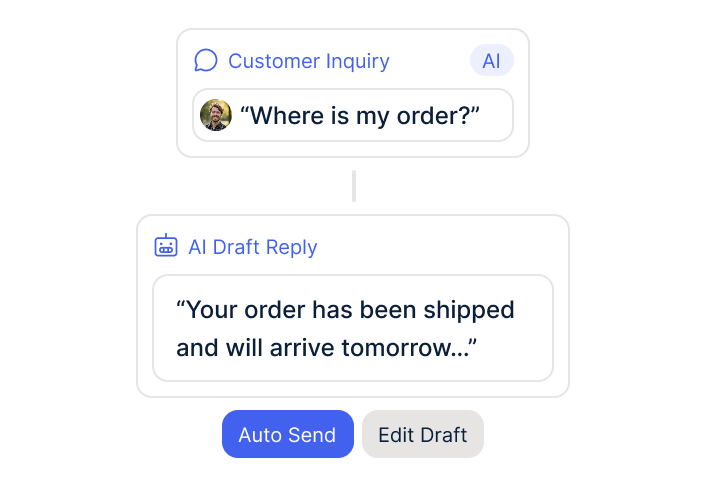
Every request goes to the First Level AI agent first. It reads the message, works out what the customer actually needs and ignores side remarks or issues that are already resolved. It owns the entire conversation and writes the reply to the customer. When a case needs a decision from the team, it hands the ticket over with all the verified facts.
Step 3: Subagents bring the facts
Behind the First Level AI agent, subagents each handle one job. They pull data, check rules and report back what they found. The reply to the customer always comes from the First Level AI agent.
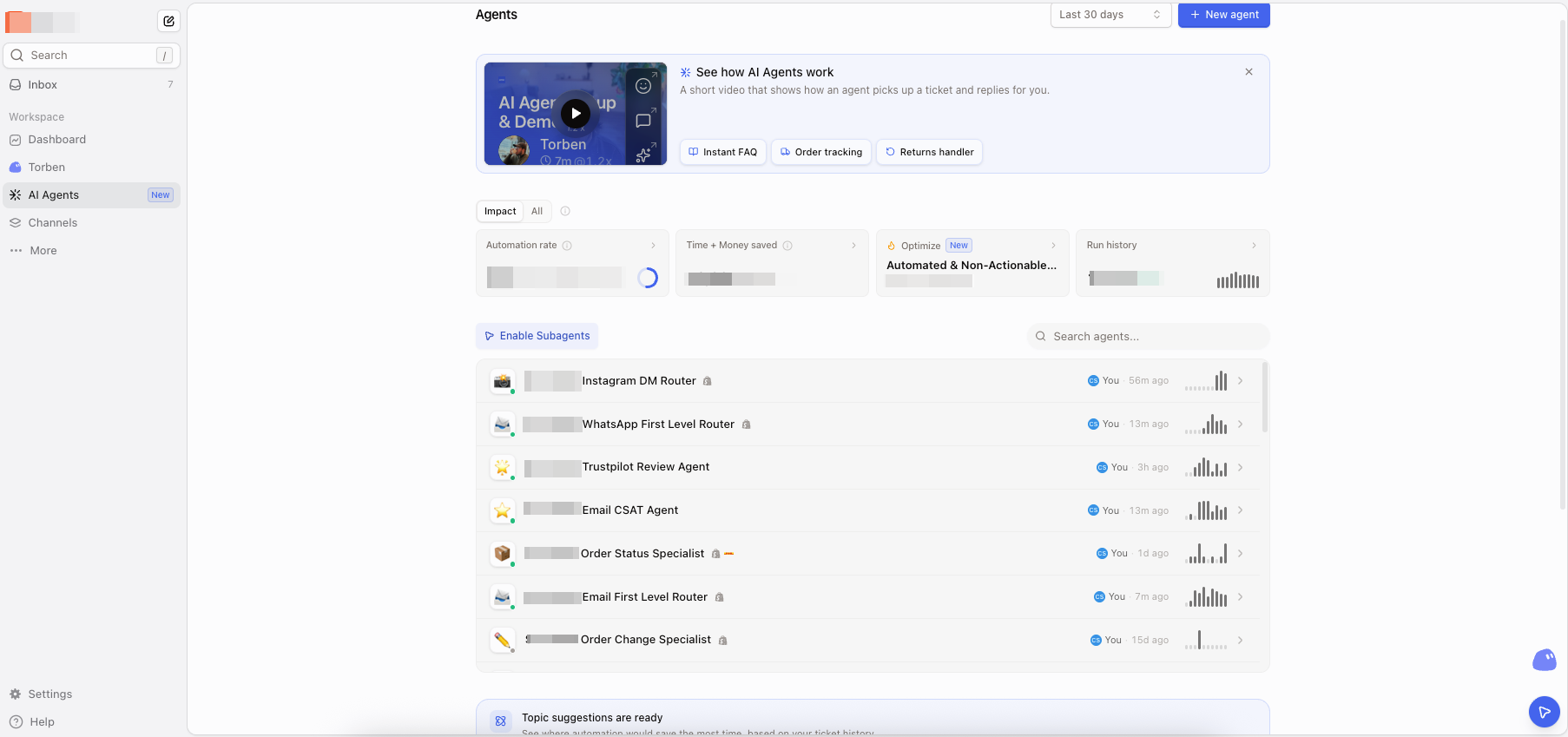
Here's an example. On a Saturday evening, a customer writes that their package hasn't arrived and they need the invoice. The First Level AI agent spots two requests and asks two subagents. One finds the order in Shopify and pulls the tracking from DHL. The other grabs the invoice from Billbee. The customer gets one reply with the delivery status and the invoice attached.
In the old setup, a topic agent would answer its part of that request. The rest waited for the team until Monday.