
Cloud CRM systems have become the backbone of digital businesses. They make it possible to move Customer Relationship Management – meaning the administration, nurturing and management of customer relationships – into the cloud. As a result, e-commerce companies, brands and agencies benefit from more flexibility, less IT effort and a future-proof foundation for sales, support and marketing.
Definition and significance: What is a Cloud CRM?
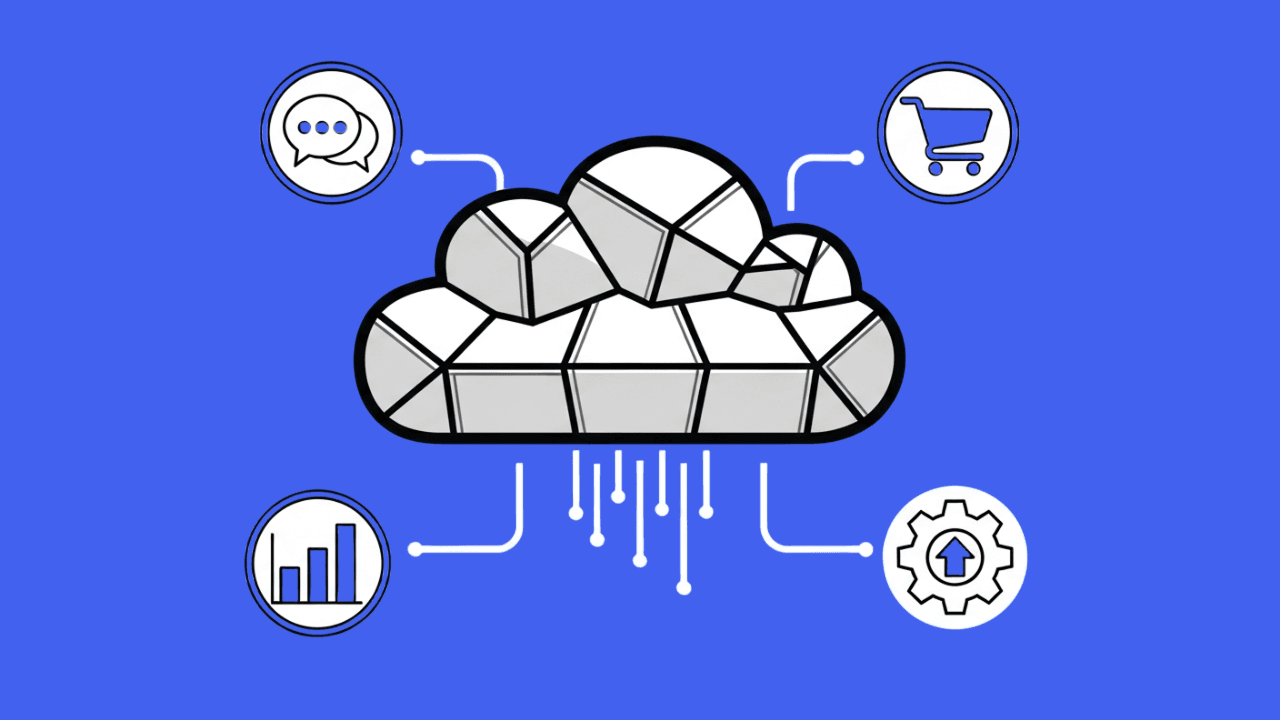
Cloud-based CRM software is used to manage all customer-related data and processes – without local servers and complex IT, but accessible anytime and anywhere. The abbreviation CRM stands for Customer Relationship Management. While on-premises systems still require your own servers, maintenance and high one-time costs, Cloud CRM runs entirely as Software as a Service over the internet. You benefit from fast setup, regular updates and predictable per-user costs.
Cloud CRM development has democratized the CRM world: today, functions like lead management, a central contact database, automation and multichannel customer service are also accessible to small businesses and agencies. Cloud-based CRM solutions lower entry barriers and make data-driven customer relationships universally available.
In short: a Cloud CRM is the modern operating system for your customer relationships, more efficient than any on-premises solution and immediately ready to use for all users and teams.
Cloud CRM vs. on-premises: What are the differences?
The main difference is deployment: with Cloud CRM, software, database and updates are provided by the cloud vendor – you access your CRM system via a browser. With on-premises solutions, you install and operate the software on in-house servers, which entails high costs, IT effort and slow updates.
The benefits of Cloud CRM at a glance:
Flexible cost models: Monthly or annual billing per user, without rigid licenses.
Fast scaling: Up or down – perfect for growing teams and companies.
No IT infrastructure required: Everything runs in the cloud; maintenance and data security are handled by the specialist provider.
Mobile access: CRM software and the database can be used independently of location and on any device.
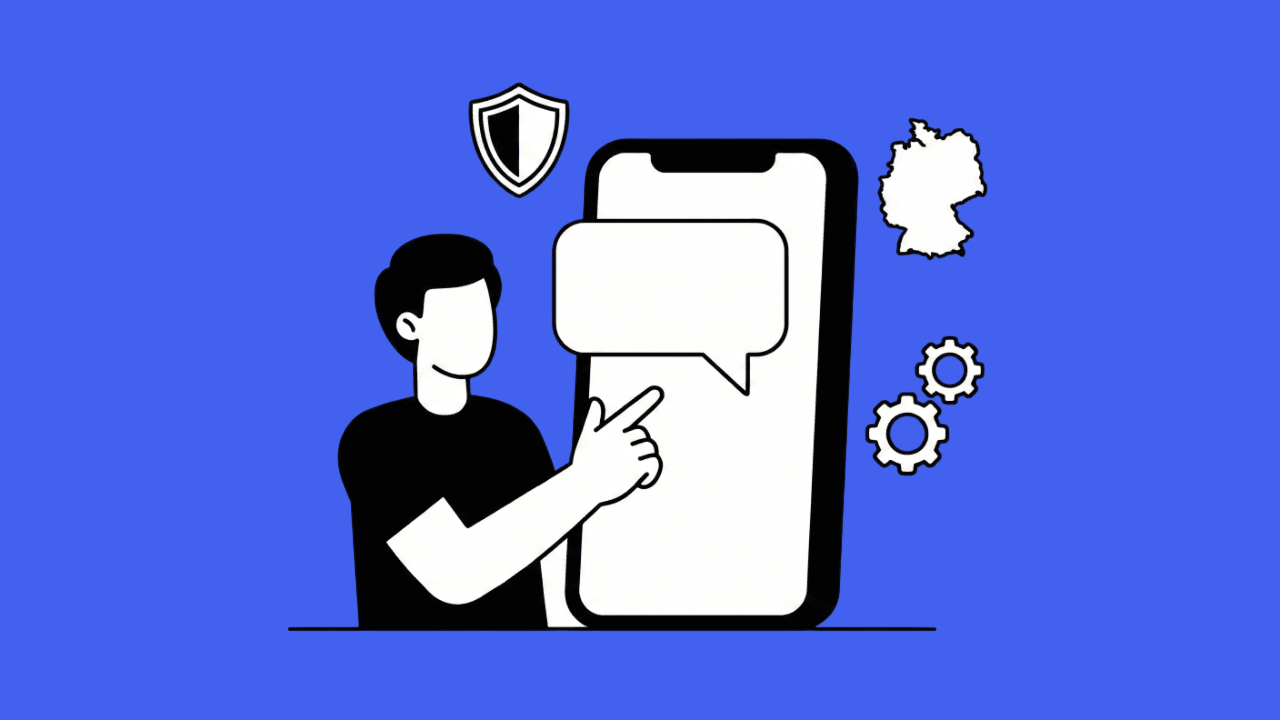
GDPR and security standards: Professional providers ensure encrypted data transfer, certified data centers and regular backups.
The result: companies rely on Cloud CRM systems to make their processes more efficient, secure and transparent. Long rollouts and high one-time costs are eliminated, and the value for teams and customers increases noticeably.
Key functions of modern Cloud CRM systems
Modern Cloud CRM platforms are more than just contact management. They bring the following key building blocks to your company:
Data management and central database
All customer information (email, chat, phone, social media, WhatsApp, webshop) automatically comes together in the CRM database – structured, always up to date and easy to find anytime.
Automation and AI-supported workflows
Whether lead management, follow-ups, appointment scheduling or campaigns: automated processes handle routine work, minimize errors and relieve your team. AI-supported functions prioritize inquiries and suggest individual actions.
Integration of sales and marketing
CRM software integrates classic sales and marketing processes, provides dashboards, customer segmentation and real-time analytics – everything can be managed from one central system.
Reporting, analytics & customer experience
Reports on activities, conversions or retention are available at any time. Dashboards show how well your customer service, sales and marketing are performing – enabling data-based decisions.
Seamless integrations
With open interfaces (REST API) for email marketing, shop systems, payment providers or helpdesks, your Cloud CRM becomes the platform for all workflows in the company.
Market overview: Leading Cloud CRM providers & SaaS models
The market for Cloud CRM providers is diverse. Leading systems offer modular packages, and billing is usage-based (per user and feature scope):
| Provider | Strengths | Pricing | Ideal for |
|---|---|---|---|
| Salesforce | Enterprise functionality, strong AI | High, modular | Large companies |
| HubSpot | CRM, sales, marketing integrated | Free to premium | Start-ups, e-commerce |
| Zoho CRM | Cost-effective, many integrations | Affordable, flexible | Small & mid-sized firms |
| Pipedrive | Sales focus, pipeline control | Mid-range, transparent | Sales teams |
Profiles of leading Cloud CRM providers: use cases, strengths & special features at a glance
Whether all-in-one CRM or specialized solution – these profiles summarize the characteristics of the leading providers and show which Cloud CRM software fits your business:
Salesforce – The enterprise pioneer in Cloud CRM
Strengths:
Most comprehensive feature portfolio in the CRM market with AI integration (“Einstein AI”)
Seamless scalability and customization via AppExchange
Ideal for complex processes, global teams and data-driven customer management
Weaknesses:
High costs and time-consuming implementation
Strong dependence on internal or external IT support
Conclusion: Salesforce is the first choice for large companies that want to deeply integrate their Customer Relationship Management into all business processes – powerful, but resource-intensive.
HubSpot – All-in-one CRM for marketing, sales & service
Strengths:
Integrated platform for CRM, marketing, sales and service
Particularly user-friendly with an intuitive interface and clear structure
Flexible pricing – from free to enterprise
Strong automation and analytics for marketing campaigns
Weaknesses:
The expanded feature set can become expensive in higher tiers
In some cases limited customization options at the enterprise level
Conclusion: An excellent Cloud CRM solution for start-ups, e-commerce companies and growing brands that want to scale quickly and without major IT effort.
Zoho CRM – Versatile, affordable and strong on integrations
Strengths:
Very good value for money with flexible modules
Broad feature coverage: sales, marketing, automation, reporting
Wide range of integrations, especially with other Zoho applications
Weaknesses:
User interface can be complex for beginners
Less well-known in the enterprise segment
Conclusion: Zoho CRM is ideal for small and mid-sized companies looking for an affordable, cloud-based CRM software with solid automation and many integrations.
Pipedrive – CRM focused on sales and deals
Strengths:
Clear, visual pipeline management and easy handling
Powerful automation for sales teams
Good mobile app and transparent pricing
Weaknesses:
Less focus on marketing or customer service
Limited reporting depth compared to enterprise systems
Conclusion: Pipedrive is a focused Cloud CRM for sales teams that want to manage leads and opportunities efficiently – intuitive, scalable and built for productivity.
Chatarmin – Messaging-first extension for your CRM
Strengths:
WhatsApp, email and chat integration directly within the CRM workflow
AI-supported automation for communication & follow-ups
GDPR-compliant, EU hosting, fast implementation
Ideal for brands, agencies and e-commerce companies
Weaknesses:
An extension, not a full CRM system
Clear focus on communication, less on classic sales management
Conclusion: Chatarmin extends any Cloud CRM with messaging-first workflows – for faster customer responses, higher interaction and modern omnichannel communication
Types of Cloud CRM software: which solution fits your business?
Not every Cloud CRM is built the same – depending on company size, team structure and objectives, focus and feature scope differ significantly. In general, four main types of Cloud CRM systems can be distinguished, which can be combined flexibly or merged into all-in-one platforms:
| CRM type | Focus & functions | Ideal for | Goal |
|---|---|---|---|
| All-in-one Cloud CRM solution | Integrated CRM software for sales, marketing and customer service; central management of all customer relationships and data in the cloud | Companies and agencies that want to unify processes | Efficient customer relationship management & cross-team collaboration |
| Sales CRM (Sales Cloud) | Managing leads and relationships, pipeline management, automation and reporting | Sales teams and growth-oriented companies | Higher close rates & better sales control |
| Marketing CRM | Planning, analyzing and automating marketing campaigns, including email, chat and social media | Marketing teams and e-commerce companies | Targeted communication & better campaign results |
| Service CRM (Customer Support Cloud) | Ticketing system, chatbots and cloud-based solutions for fast customer support | Service teams and support departments | Shorter response times & increased customer satisfaction |
Technical requirements & data security: how to set up your Cloud CRM securely and scalable
Modern Cloud CRM systems combine performance, scalability and the highest security standards. To manage customer data in a GDPR-compliant way, leading providers rely on multi-layer protection mechanisms and certified infrastructure:
GDPR-compliant hosting: Operation in European, ISO-certified data centers with clearly defined data processing agreements.
Encrypted data transfer: SSL/TLS encryption protects all communication paths between user, server and API.
Redundant backups: Automated backups and mirrored servers ensure high availability and data security.
Granular access controls: Role and permission systems ensure that only authorized people can access sensitive data.
Automatic scaling: Cloud architecture dynamically adapts to growing user numbers and data volumes.
Integrated updates & maintenance: The provider takes care of system upkeep, security patches and performance optimization.
Open interfaces (APIs): Easy connection to CRM, ERP or marketing systems for seamless integration into existing IT landscapes.
This combination of technical stability and organizational data protection ensures maximum resilience, predictable IT costs and sustainable compliance – even under strong growth.
Efficient customer relationship management & retention: more closeness through Cloud CRM systems
Managing customer relationships becomes efficient, scalable and personalized with Cloud CRM software. Your entire team accesses a central database, sees customer information, interactions and service histories in real time. Automated follow-ups, segmentation and targeted offers create high customer retention and efficient sales.
Small companies and agencies benefit in particular: they use the full power of modern CRM systems without having to build large IT departments.
Messaging-first workflows: CRM for WhatsApp, chat & email
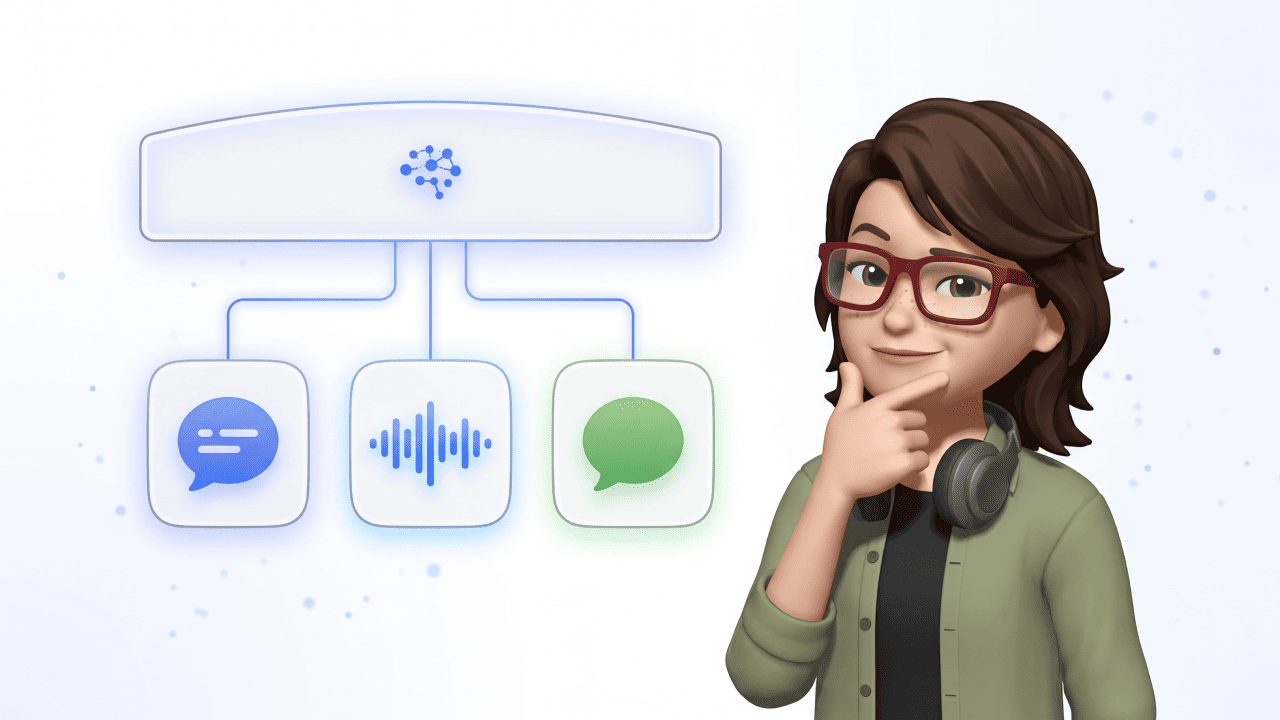
Customer communication is increasingly moving into messengers like WhatsApp, live chats or social media. Messaging-first workflows turn the Cloud CRM into the central hub for all these channels:
All customer inquiries land in the CRM, are categorized and automatically distributed.
Real-time responses in WhatsApp, email, chat or Instagram – including automated replies and follow-up actions.
AI analytics recognize urgency, sentiment and interests and trigger corresponding workflows.
Tools like Chatarmin stand for this form of omnichannel communication and offer companies a modern, scalable addition to their Cloud CRM. This increases productivity, shortens processing times and builds sustainable customer retention.
Profitability & pricing models: Cloud CRM costs in comparison
Cloud CRM providers rely on transparent and flexible cost models, typically starting at around €10 per user per month. For advanced automation, AI or deeper integrations, professional packages can cost up to around €100 per user. Many providers offer free starter plans or modular pricing that adapts to actual needs – ideal for start-ups, e-commerce and growing teams.
Pricing depends on several factors that significantly influence the overall value of a Cloud CRM solution:
Number of users: Most providers bill per active user – the larger the team, the higher the total monthly costs.
Feature scope: Automation, marketing campaigns, reporting or AI modules increase the price, but also provide a clear productivity advantage.
Integrations & APIs: Systems with open interfaces for email, shops or service tools cost a bit more, but save time and effort in day-to-day work.
Support & training: Premium support or individual onboarding increases the price, but ensures smooth implementation and use.
Storage and data volume: Depending on the number of contacts and the amount of data, additional capacity or backups can slightly influence the price.
E-commerce companies and agencies in particular benefit from these scalable cloud solutions because they enable planning security, agility and growth – without investing in expensive on-premises infrastructure. This makes Cloud CRM the most economical building block of modern customer relationship management strategies.
Chatarmin as an innovative extension for Cloud CRM systems
Chatarmin brings messaging-first workflows directly into sales, support and marketing – as a GDPR-compliant extension to your existing Cloud CRM system. WhatsApp, email, social media and chat are combined, all customer inquiries are captured centrally and intelligently distributed through automation:
No media breaks, no information loss – all processes from one interface.
Smart analytics and workflows increase productivity, retention and user orientation.
Your team stays flexible, fast and makes data-based decisions.
Chatarmin does not replace a CRM, but increases efficiency, speed and closeness to your customers through seamless integration of modern communication channels.
What other users say on OMR Reviews: Chatarmin convinces as an effective CRM upgrade
Other users’ feedback shows that Chatarmin, as an addition to Cloud CRM systems, stands out especially through usability, fast response times and measurable results. On OMR Reviews, the platform receives top marks for its practical support and seamless integration into existing CRM workflows. With an overall rating of 4.8 out of 5 stars (as of December 2025), Chatarmin is among the best-rated tools in the area of CRM extensions and communication automation.
The co-founder of Bems Home GmbH describes Chatarmin as an “effective CRM upgrade through features and 1A support”.
Conclusion: Cloud CRM is the future of Customer Relationship Management
Cloud-based CRM systems are now the standard for all companies that value efficient, secure and scalable customer relationships. Compared to on-premises, they offer unbeatable flexibility, a transparent cost structure and modern features for sales, marketing and service.
With messaging-first workflows – as enabled by Chatarmin – the classic CRM system is extended into customers’ communication channels. Real-time, omnichannel and AI-based automation make customer communication future-proof and more productive than ever.
Frequently asked questions (FAQ) about Cloud CRM
What distinguishes Cloud CRM from on-premises CRM?
Cloud CRM runs entirely in the browser, without your own servers or local installations. You don’t need your own IT infrastructure – maintenance, security and updates are handled by the provider, significantly reducing time, cost and effort.
How secure is my data in a Cloud CRM system?
Leading providers host in a GDPR-compliant way, with state-of-the-art encryption, access management and multi-region backups. In addition, systems are audited regularly.
How much does Cloud CRM cost?
Costs usually start from €10–€30 per user/month and vary depending on feature selection and number of users. Professional solutions can cost up to €100 per month, but usually include AI functions, automation and premium support.
Can existing tools be integrated?
Yes, open APIs enable integration of email, shop systems, support and marketing tools into any modern Cloud CRM.
What are the benefits of messaging-first workflows?
Inquiries are automatically received, processed and documented in the CRM via WhatsApp, chat, email or social – resulting in faster response times and better customer retention.
Shape the future of Customer Relationship Management: Combine your Cloud CRM system with Chatarmin and experience how efficient, reliable and scalable customer retention can be in the digital age.
Test Chatarmin as the perfect extension to your Cloud CRM and discover how modern customer engagement is implemented today in e-commerce, for brands and agencies.