
A classic answering machine says: "We're not available right now, please leave a message." Then what happens? Nothing. The customer waits. You call back eventually. Maybe.
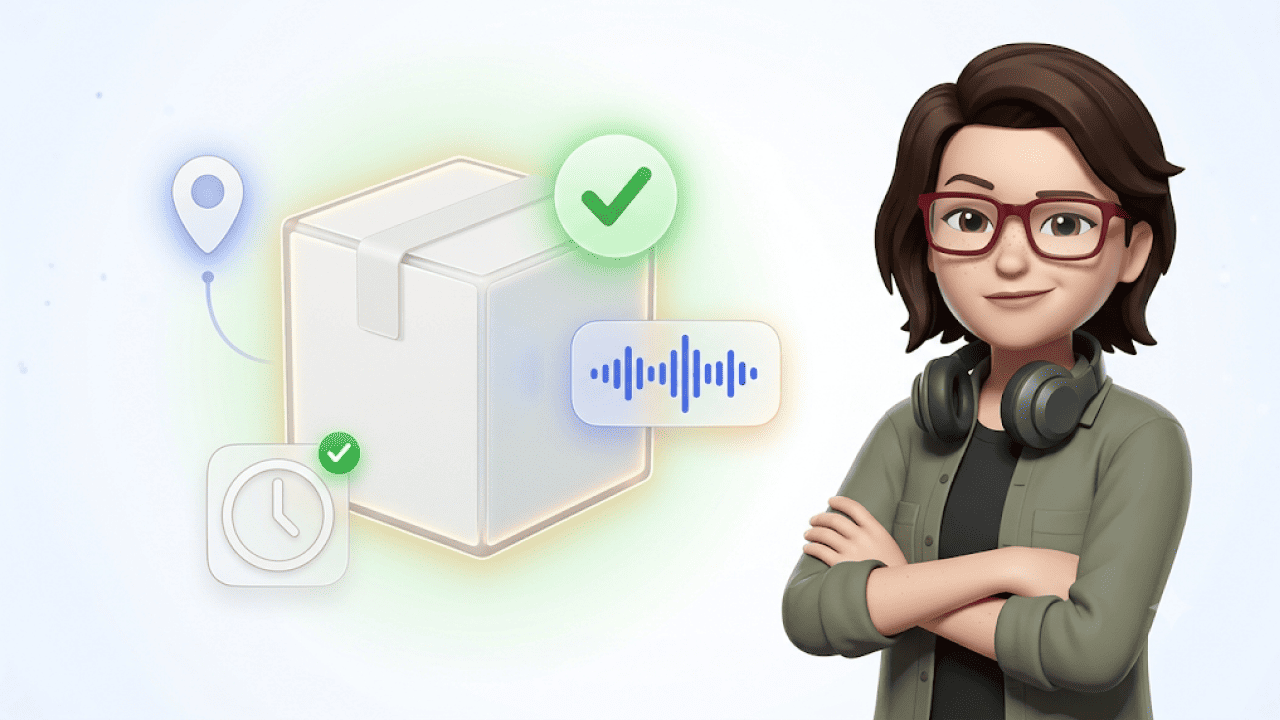
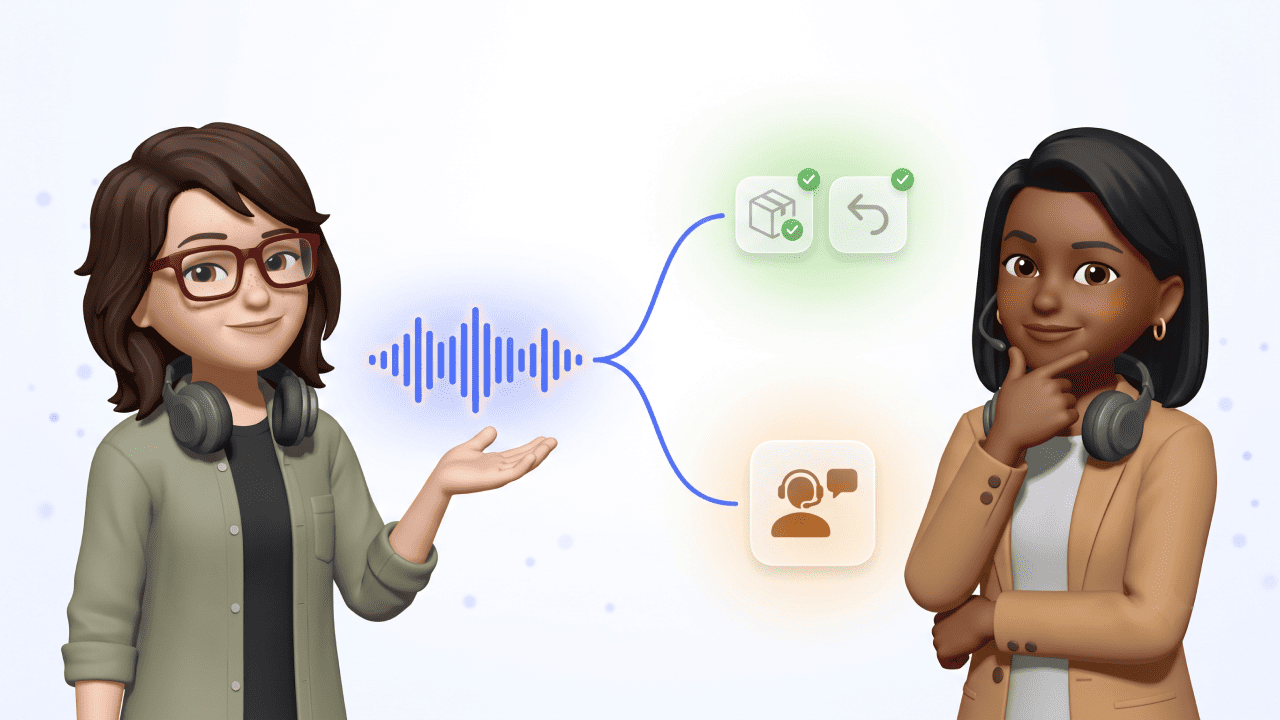
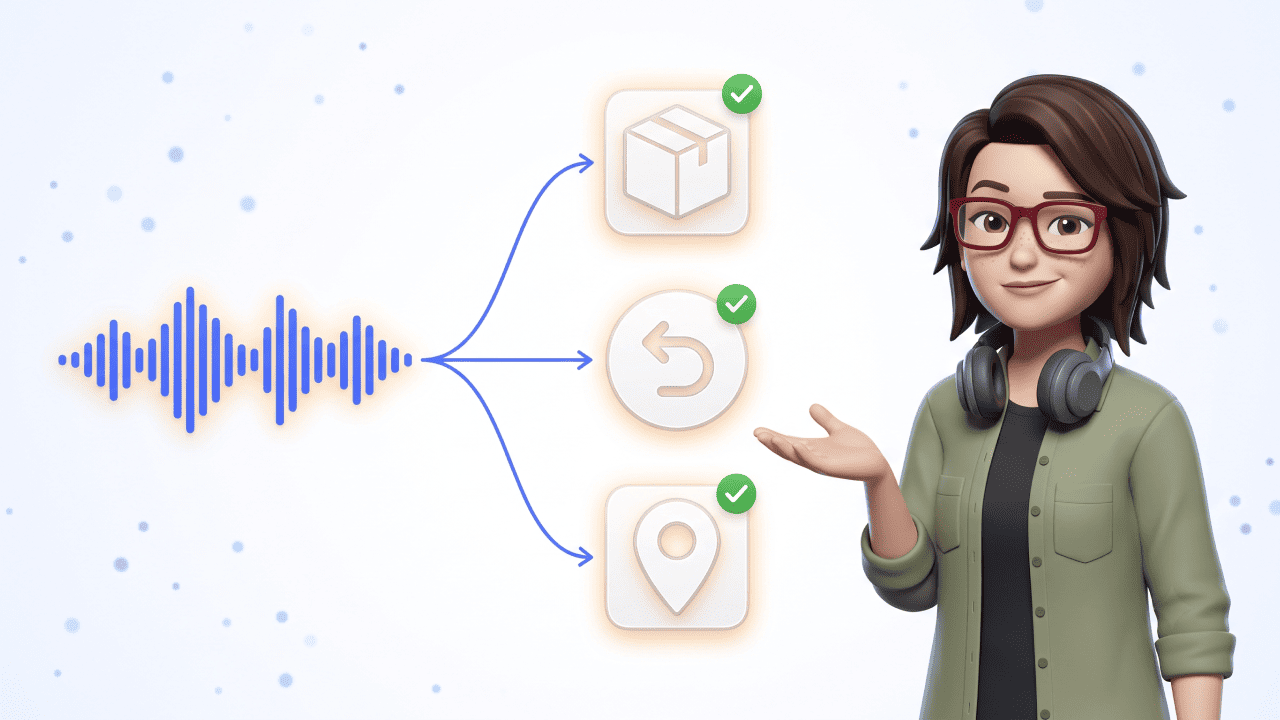
An AI answering machine does the opposite. It picks up, understands the request — and handles it. Order status? Answered instantly. Return? Triggered on the spot. Address change? Updated in the system before the customer has even hung up.
The difference isn't a matter of degree. It's fundamental. And that's exactly what most people get wrong.
This article answers one single question: What does an AI answering machine actually do for an online shop? Not for your grandmother and her personal voicemail. For shops that get dozens of calls a day about the same five topics.
AI Answering Machine vs. Classic Recorded Message: Where the Line Runs
Let's be clear about the terms. "Answering machine" in the consumer mind means: a tape that plays a message and records voicemails. Nothing more.
An AI as an answering machine is something entirely different. It doesn't play a message. It holds a conversation.
In concrete terms: the caller asks "Where's my order?", and the AI pulls the status from your shop system, gives the tracking number and says when the parcel will arrive. No callback. No ticket for a human to work through later. No hold queue.
The old recorded message solves nothing. It just defers. The AI answering machine solves — or escalates cleanly to a human when it can't get any further.
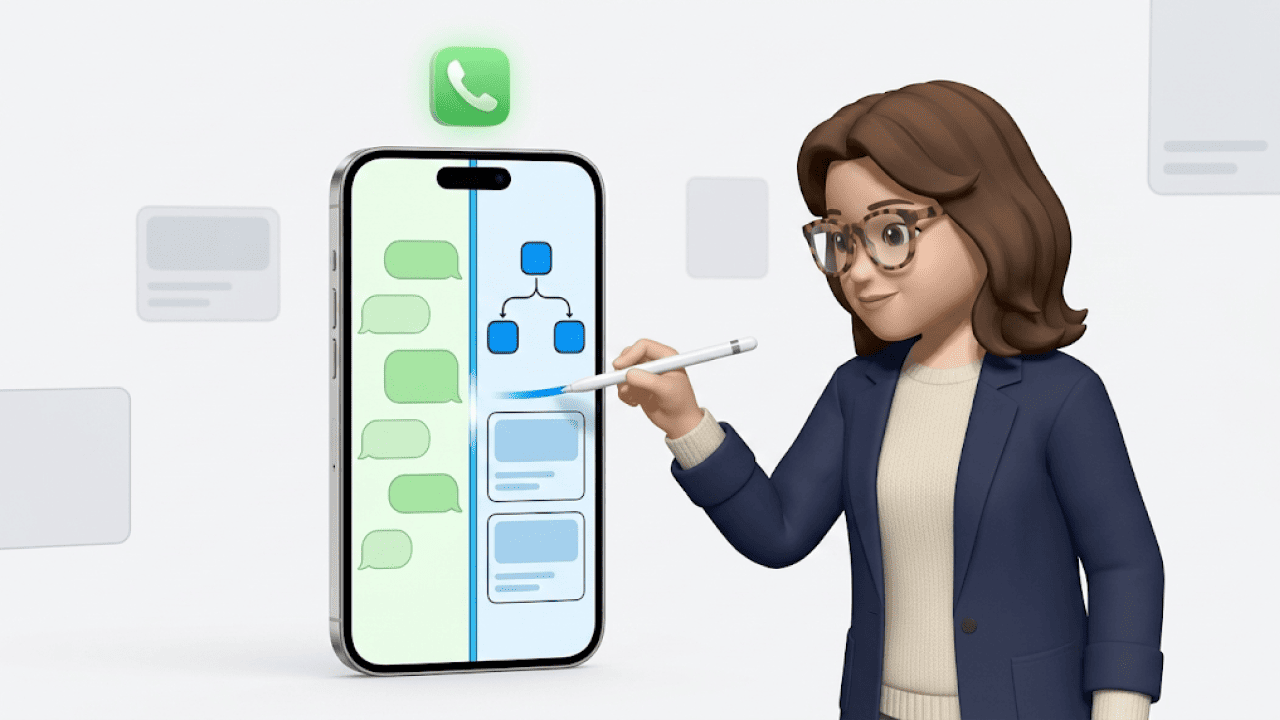
That's the dividing line. Anything that only records is an answering machine in the old sense. Anything that handles requests is an AI phone assistant. For how the pure call pickup works technically, see our piece on automated call answering.
Why Online Shops Consider This at All
In e-commerce, the phone is the underrated channel. Many shops treat it as an afterthought — a number in the footer, a tired voicemail behind it.
Here is the catch: those exact callers are often the most valuable. People who call have an urgent problem or are about to buy. People who get stuck on hold or hit voicemail buy from the next shop.
And call volume is predictable. The same topics come up over and over:
- "Where's my order?" (the classic WISMO request)
- "How do I send something back?"
- "Can you change the delivery address?"
- "Is item X in stock?"
- "I got the wrong invoice."
These five questions make up a large share of all calls in many shops. Standardised. Repetitive. Perfect for automation.
Which means: you don't have to automate every conversation. You have to automate the ones that keep repeating — and free up your people for the rest.
What an AI Can Actually Do on a Call
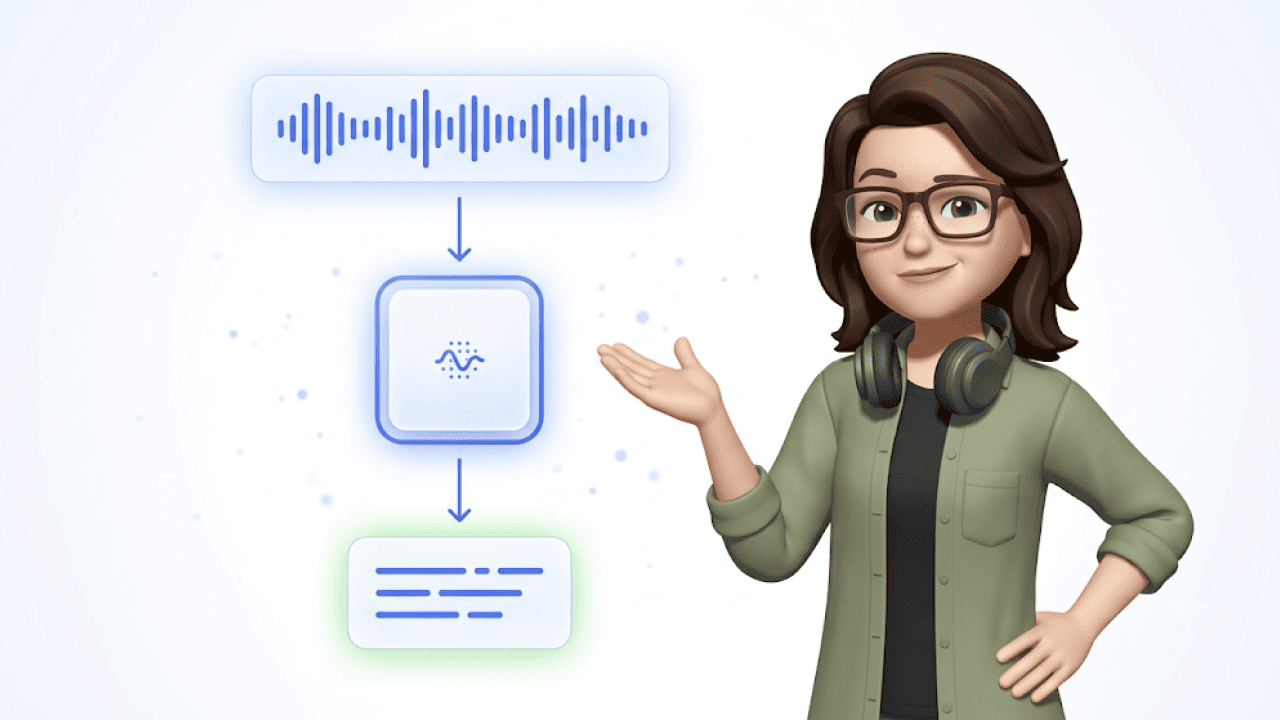
Behind the voice sit several building blocks working together. Simplified:
First, speech recognition: the AI converts spoken words into text — even with dialect, background noise or mumbling. This is where it separates the wheat from the chaff. Poor recognition kills any conversation.
Second, language understanding: from "My parcel still hasn't arrived" the AI has to derive the intent — tracking. That's the core of conversational AI.
Third, the connection to your systems: without access to the shop system, order data and the shipping provider, the nicest voice is useless. Only the integration turns talk into action.
Fourth, the answer as speech: the AI formulates a reply and speaks it — in a voice that doesn't sound like a robot from 2010.
The result? A conversation that feels like talking to a fast, friendly employee. One who never takes a break and is never in a bad mood.
The Honest Limits
Now the part providers like to skip. An AI answering machine is no cure-all.
It fails on emotional cases. An angry customer whose expensive order arrived wrong three times doesn't want an AI. They want a human who takes responsibility.
It fails on complex edge cases too. "Three weeks ago I arranged a partial delivery by phone, but then everything came at once, and now…" — an AI rarely untangles knots like that on its own.
And with poorly trained systems it gets genuinely embarrassing. An AI that misreads requests and ploughs on stubbornly is worse than none at all. It burns trust.
The short version: the AI must know when it's stuck — and hand over cleanly to a human. This escalation logic is the single most important feature there is. Ignore it and you've built an expensive frustration generator. More on the pitfalls in our piece on voicebots in customer service.
AI Answering Machine vs. Voicebot vs. Phone Assistant — The Jargon Jungle
The terms swirl around. Quick clarification, because otherwise it gets chaotic:
"AI answering machine" is the search-friendly term. Sounds like round-the-clock availability.
"Voicebot" emphasises the technical side — the bot that speaks.
"AI phone assistant" emphasises the function — the assistant that gets things done.
In practice they all mean the same thing: an AI that takes calls and handles them. When you go through different solutions in a provider comparison, pay less attention to the marketing wording. Pay attention to what the system can actually do: does it understand DACH dialects? Does it connect to your shop system? Does it escalate cleanly?
By the way: if you want to compare text channels rather than voice, you'll find the differences in chatbot vs. voicebot.
What Does It Cost — and When Is It Worth It?
Pricing models vary widely. Common ones bill per minute, per call or via a credit system. Often plus a monthly base fee.
The honest ROI calculation runs on two figures: your call volume and the automation rate. Rule of thumb:
Calls per month × share of automatable standard cases = staff time saved.
A tangible example: 2,000 calls a month, a large share of them standard questions. Say 1,400 conversations the AI takes over. At three to four minutes per call, we're talking more than 70 hours of work saved — every month.
Here is the catch: at 50 calls a month it's not worth it. Setup and maintenance cost more than you save. For a detailed cost breakdown, see our article on the cost of an AI phone assistant.
The threshold sits roughly at several hundred calls a month. Below that: leave it. Above that: it often pays off in the first quarter.
For Whom Yes, for Whom No
Now the fork in the road. Honestly, no sales lens.
Are you a private user? Then you don't need this. For your personal voicemail, any standard smartphone app will do. An AI answering machine in the business sense — with shop integration, order lookups and escalation — is complete overkill and too expensive for private use. This article expressly does not mean the consumer use case.
Do you run an online shop? Then it's worth a look when three things come together:
- You have noticeable call volume (several hundred a month and up).
- A large share are standard questions — above all WISMO, returns, address changes.
- You have a shop system the AI can dock onto (Shopify, Shopware and the like).
If all three apply, an AI phone assistant isn't a luxury but a sensible relief. Your people then handle the cases that genuinely need a human — instead of reading out the tracking number for the hundredth time.
By the way: if you're coming from a solution for call answering and appointment booking at local service providers — such as fonio — you should know the differences. Doctors' practices and hair salons have different requirements than an online shop.
FAQ — AI Answering Machine
What's the difference between an AI answering machine and a normal answering machine?
A normal answering machine only records messages. An AI answering machine holds a conversation and handles the request directly — for instance an order lookup or a return.
Can an AI as an answering machine really process orders?
Yes. When connected to your shop system, the AI pulls order data in real time, gives the shipping status and can trigger address changes or returns.
Does an AI answering machine still sound like a robot?
No. Modern speech synthesis sounds natural. Even so, attentive callers often notice they're talking to an AI — which, with clean design, is no problem.
Does the AI understand dialect and colloquial speech?
Yes. Good systems recognise DACH dialects and casual phrasing. With heavy dialect or a lot of background noise, though, the error rate rises.
What happens when the AI can't solve a request?
It escalates to a human employee. This handover logic is the single most important quality marker — without it, a voicebot becomes a source of frustration.
From what call volume is an AI answering machine worth it?
Roughly from several hundred calls a month. Below that, setup and maintenance usually exceed the savings. The exact threshold depends on the share of standard cases.
Is an AI answering machine something for private users?
No. For personal voicemail it's overkill and too expensive. This article deals exclusively with business and e-commerce use.
Which requests does an AI answering machine automate best?
Standardised, recurring cases: tracking (WISMO), returns, address changes, stock lookups and invoice questions. In many shops these make up the bulk of calls.
Do I need a specific shop system for this?
You need a connectable system. Common platforms like Shopify or Shopware can usually be integrated. Without that connection, the AI can't process order data.
Does an AI answering machine fully replace my support team?
No. It takes over the repetitive standard cases and relieves the team. Complex, emotional or legally tricky cases stay with humans.
Conclusion: It Solves Instead of Recording
An AI answering machine isn't a tape saying "we'll call you back." It's the instance that solves — or hands over cleanly. For online shops with volume and recurring standard questions, this is one of the most low-key yet effective forms of relief around right now.
If you want to know how armincx connects the phone channel to your shop system, take a look at how we think about AI customer service in the call centre context. No hype. Just the question of what pays off.
More on the technical background of modern speech models at Mozilla Common Voice (open-source voice datasets). {#nofollow}