
A missed appointment doesn't just cost you the appointment. It costs you the slot, the staff sitting idle, and the follow-up purchases that never happen. A WhatsApp appointment reminder cuts your no-show rate measurably — at roughly 98 percent open rate and response times in minutes instead of days. Sounds like a lot? It is. But only under two conditions: a clean opt-in and access to the WhatsApp Business API.
What No-Shows Actually Cost You
Let's run the numbers. A DACH D2C shop with showroom consultation appointments: four slots a day, five days a week, 20 appointments per week. At a 20 percent no-show rate, you lose four appointments weekly. With an average post-consultation basket of €180, that's €720 a week or roughly €37,000 a year — burned because someone forgot.
Standard e-commerce has the same pattern with delivery time slots: the carrier shows up, no one answers, the driver moves on, re-delivery costs €12–25 per attempt. Same dynamic as a missed appointment — just with logistics costs on top.
The two levers WhatsApp brings to the table are the same ones that work for shipping notifications: the message lands on the lock screen instead of inbox-buried next to 47 other emails. And it gets read. Chatarmin customers like Bedrop report up to 70 percent fewer WISMO requests ("Where Is My Order?") with active WhatsApp communication — the same effect shows up for appointment reminders: whoever sees the reminder shows up.
My take: If you book appointments — consultations, delivery slots, return pickups, whatever — and don't send automated reminders, you're leaving money on the table. This isn't a "nice to have". It's a number that hits your P&L every single month.
WhatsApp, SMS or Email: The Honest Channel Comparison
Before you commit to WhatsApp, you should know what you're up against. The sober numbers:
| Channel | Open Rate | Response Time | Cost per Reminder (DE) | Reschedule in Same Channel |
|---|---|---|---|---|
| ~98 % | Minutes | ~€0.04–0.07 (Utility) | Yes, via button or Date Picker | |
| SMS | ~98 % | Minutes | €0.07–0.10 | No, external link needed |
| 20–30 % | Hours to days | < €0.01 | No, external link needed |
Email is cheap — and that's exactly the problem. Three out of four appointment emails never get opened. SMS has the same reach as WhatsApp, but no buttons, no images, no reschedule flow inside the chat. WhatsApp doesn't win because it's modern. WhatsApp wins because after the reminder you keep talking to the customer in the same thread — reschedule, follow-up question, change of address, all in one place.
How WhatsApp Appointment Reminders Actually Work Technically
Here's the part most online guides leave out: A WhatsApp appointment reminder in a business context is not sent through the regular WhatsApp app or the WhatsApp Business app. There's no "schedule reminder" button there that reliably delivers to your customers. What you'll find are internal notes — not real customer reminders.
What you need is the WhatsApp Business API and a Meta-approved Utility template. Utility templates are transactional messages — shipping confirmations, order updates, appointment reminders. They cannot contain promotional content, but they're cheap and Meta usually approves them within minutes to hours.
How it works in practice:
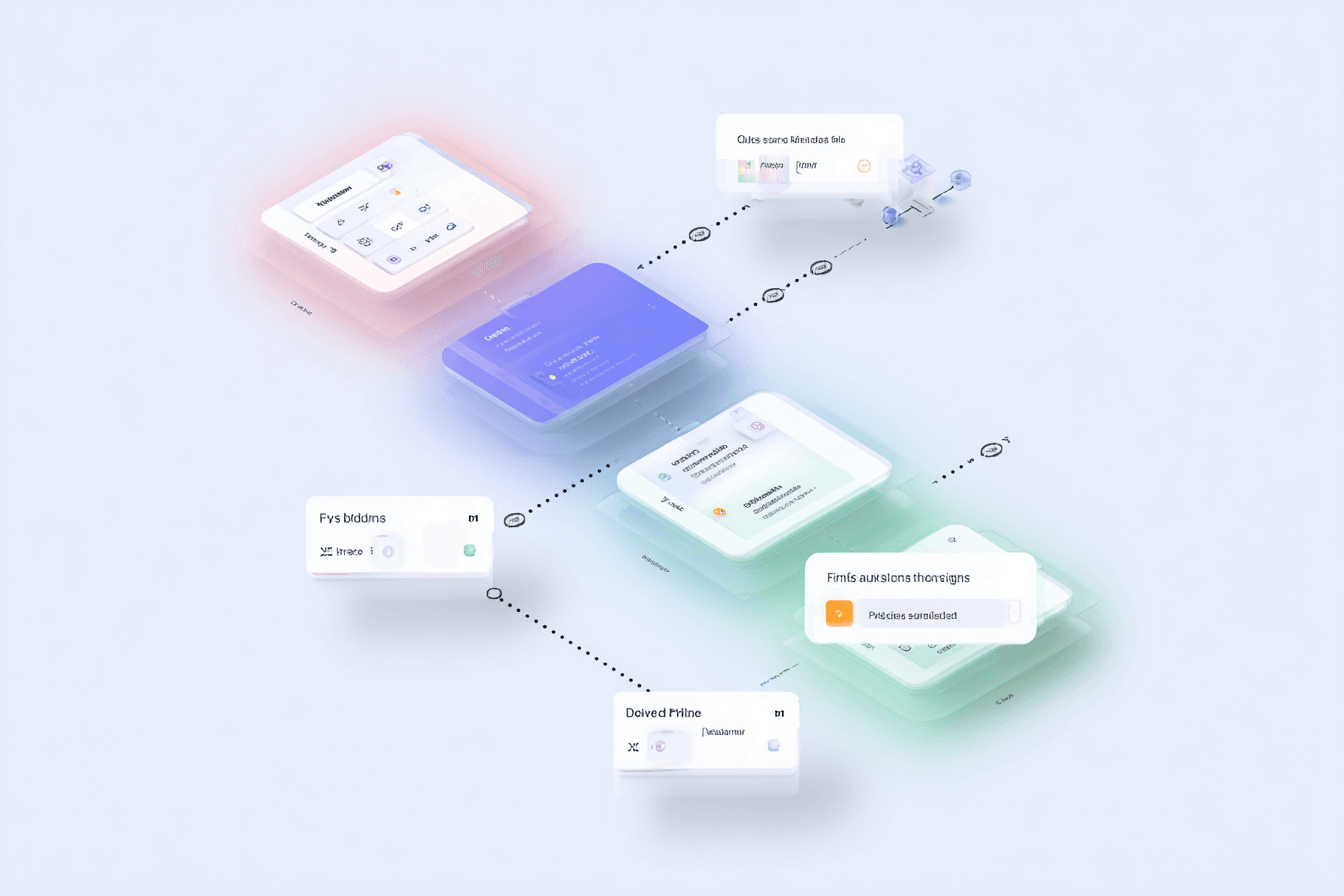
- Trigger: Your system (calendar, shop, CRM, booking tool) flags an upcoming appointment.
- Template: Chatarmin automatically sends the prepared Utility template to the customer's phone number — with personalized variables (name, date, time, location).
- Interaction: The customer confirms via button, reschedules via Date Picker or messages back. The moment they reply, the 24-hour service window opens.
- Follow-up: Every additional message inside those 24 hours is free. Reschedule, follow-up question, address change — all included.
The biggest hurdle isn't the tech. The biggest hurdle is making sure your booking system cleanly hands the phone number and appointment trigger to Chatarmin. With Shopify, Calendly or Cal.com that runs through native integrations or webhooks. Austrian fintech froots uses exactly this setup — Calendly appointments trigger WhatsApp reminders via the Chatarmin API.
What Does a WhatsApp Appointment Reminder Cost in 2026?
Since July 2025 Meta bills per message, no longer per conversation. For appointment reminders this means:
- Utility template to a German number: roughly €0.04–0.07 per message (Meta updates rates quarterly; current rates live in Meta's official pricing hub)
- Inside the open 24h service window: free
- Marketing template (e.g. with discount code): approximately €0.11 per message
The cost lever almost nobody uses: if your customer wrote to you within the last 24 hours — for any reason — the Utility template is free. Translation: for dialogue-heavy customer journeys (support, consultation, returns) you often pay zero for appointment reminders.
Brands sending high volumes get an extra benefit from Meta's volume tiers: above certain monthly thresholds, the Utility price per message automatically drops. For DACH e-commerce brands sending over 10,000 reminders a month, that's a real lever.
Cost trap #1 — Promotional content in a Utility template: Don't slip a discount code or upsell into your appointment reminder. Meta scans templates automatically. One "P.S. 10 % off your next purchase" and your €0.05 Utility flips to an €0.11 Marketing message. At 10,000 reminders a month, that's roughly €600 in extra costs nobody needs.
Cost trap #2 — Consultation appointments as a hidden sales touchpoint: If your "appointment" is really a sales call and the template reads like a pitch ("Book your consultation and grab 20 % first-time discount"), Meta can classify it as Marketing. Keep appointment templates strictly informational.
GDPR: No Appointment Reminders Without Opt-in
Before you send a single WhatsApp appointment reminder, you need a documented opt-in. This isn't negotiable — legally or operationally. Send messages to numbers without consent and Meta will lock your phone number. Worst case, permanently.
What counts as a clean opt-in for appointment reminders:
- Checkbox during booking: "I want to receive appointment confirmation and reminders via WhatsApp."
- Clear information about what kind of messages the customer should expect
- Way to opt out in every message
- Stored opt-in with timestamp
For appointment reminders alone, single opt-in is enough. The moment you also send marketing content (newsletters, promotions), you need double opt-in. The full details and templates are in our WhatsApp GDPR guide.
Also relevant: your data should sit on EU servers. Chatarmin hosts in Frankfurt — important for DACH brands in beauty, supplements, fashion or FMCG working under the eyes of their compliance teams.
The Five Strongest Use Cases for E-Commerce Brands
You'll find generic industry examples like "hair salon" and "dentist" everywhere. Here are the use cases we see most often across our 450+ DACH customers, sorted by frequency:
1. Delivery time slot reminders. You ship furniture, white goods or premium sports equipment with freight forwarders. The customer gets a reminder 24 hours before delivery, with the time slot and a reply button to confirm. Cuts down on "we missed you" delivery attempts and saves €12–25 per failed drop.
2. Drop and launch reminders. Limited releases, restocks, online events. Reminder 30 minutes before launch with a direct link to the shop. Snocks runs this exact setup for drops — embedded in a larger WhatsApp channel mix of opt-in incentives and re-engagement flows.
3. Click & Collect. The customer reserves online, picks up in store. Reminder with pickup code, opening hours and address straight in the chat — no email search, no phone call to the store.
4. Return and pickup slots. Instead of dispatching a courier "somewhere between 8 and 6pm": the customer gets a concrete time window via WhatsApp and can reschedule by button. Especially relevant for fashion and furniture brands with high return rates.
5. Consultation appointments in D2C setups. With consultation-heavy products — jewelry, eyewear, premium beauty — customers book 1:1 calls or showroom visits. A WhatsApp reminder 24 hours and again two hours before keeps the show rate high.
What all five use cases share: the customer already has a relationship with your brand, has actively booked or reserved something. You're reminding — not pestering.
WhatsApp Flows: Book and Reschedule Right in the Chat
Meta launched WhatsApp Flows in 2024. By 2026 they're the standard for everything that used to require an external booking page. With a Date Picker, your customer picks a new slot inside the WhatsApp chat — no detour to Calendly, Cal.com or any other external booking tool.
What that looks like in practice: if someone replies to your reminder with "Can't make it today", you can send a picker element in the next message. The customer sees open slots, taps one, done. The booking lands automatically in your calendar. More technical details, requirements and examples in our piece on WhatsApp Flows.
My take: Anyone still sending appointments with "Reply with which of the three options works" in 2026 is leaving conversion on the table. In-chat date pickers aren't a nice-to-have anymore.
4 Steps to WhatsApp Appointment Reminders with Chatarmin
Here's the actual setup process — no theory, no "contact us for details":
- Set up the WhatsApp Business API. Verified Business Manager, phone number, display name. With Embedded Signup that's done in under 15 minutes.
- Design the Utility template. Sample text, variables for name, date, time. Submit to Meta — approval usually within hours.
- Connect your booking system. Native integrations are available for Shopify, Klaviyo and Stripe. Calendly, Cal.com, HubSpot or custom calendars connect via webhook or API.
- Build the flow in the Chatarmin Flow Builder. Set triggers ("X hours before appointment"), branch for "Confirmed", "Rescheduled", "No reply". Drag and drop, no code.
Six Templates for WhatsApp Appointment Reminders
These are the templates that perform best across our DACH customers. Generic enough to adapt — specific enough to ship today.
1. Appointment confirmation right after booking
Hi [first name], your appointment on [date] at [time] is confirmed. Address: [location]. Need to reschedule? Just reply here in the chat. See you then!
2. Reminder 24 hours ahead
Hi [first name], quick reminder: tomorrow, [day] at [time], we've got your appointment with [brand]. Still works? Reply YES, NO or RESCHEDULE.
3. Reminder 2 hours ahead (for no-show prevention)
Hi [first name], starting in 2 hours — [time] at [location]. Address: [address]. Directions: [link]. See you soon!
4. Reschedule request with Date Picker
Hi [first name], sorry today doesn't work. Pick a new slot right here: [picker]. We're looking forward to seeing you.
5. No-show recovery (after a missed appointment)
Hi [first name], we missed you at [time] today. No stress — just grab a new slot: [picker]. If something came up, let us know.
6. Recurring appointments (e.g. service, subscription, consultation)
Hi [first name], your next check-up with [brand] is coming up. We've pencilled in [date] at [time]. Confirm with YES or pick a different slot here: [picker].
Important: none of these templates contain promotional content. That keeps them Utility — and keeps them cheap.
When WhatsApp Appointment Reminders Aren't the Right Channel
WhatsApp isn't the best fit everywhere. Three honest limits:
Very low volume. Five appointments a month? The API setup effort isn't worth it. A well-maintained Google Calendar with email reminders is enough. The sweet spot starts around 200 appointments a month and up.
No existing digital customer relationship. If most of your customers walk in or book by phone, you rarely have a phone number with opt-in. SMS often works better there — no opt-in friction.
B2B appointments at C-level. Managing directors and heads of procurement use WhatsApp privately, not professionally. Email with a calendar link is still the right call there.
WhatsApp doesn't replace every channel. It's an additional, very strong channel for the right use cases.
FAQ: What Else You Need to Know
Do I need the WhatsApp Business app or the WhatsApp Business API for appointment reminders?
You need the WhatsApp Business API. The Business app is fine for 1:1 chats but has no automated triggers, no templates and isn't sufficient for most GDPR setups.
Are WhatsApp appointment reminders GDPR-compliant?
Yes — with a documented opt-in, EU hosting and a proper DPA. Without a clean opt-in: no.
What does a WhatsApp appointment reminder cost?
Roughly €0.04–0.07 per message (Utility template, German number, 2026 rates). Free inside the open 24-hour service window. At higher monthly volumes, volume tiers automatically lower the price.
How fast does Meta approve a template?
Usually within minutes to a few hours, as long as the template contains no promotional content and the variables are cleanly set.
Can the customer pick a different slot directly in the chat?
Yes, with WhatsApp Flows and the Date Picker. The customer sees open slots, taps one, the appointment auto-updates in your calendar.
Does this also work with Calendly, Cal.com or Shopify booking tools?
Yes. Chatarmin has native integrations for Shopify, Klaviyo and Stripe. Calendly, Cal.com and custom booking tools connect via webhook or API — froots in Vienna runs this setup in production.
My Take
Appointment reminders aren't a marketing toy. But they might be the cheapest entry point into your WhatsApp channel, period. Out of 2,000 customers who opt in to your appointment reminders, you get 2,000 WhatsApp recipients for your future newsletters and flows — at 85 percent open rate.
Translation: reminders pay off twice. Once through fewer no-shows. And again because they're the first thousand phone numbers in your WhatsApp list — the ones you later use for drops, sales and re-engagement. That's the real lever — and the reason most of our customers start with a Utility use case like shipping or appointments, not with marketing newsletters.
If you want to see what the setup actually looks like for your shop — which triggers make sense, how we connect Calendly or Shopify, how fast you can go live — book a demo. 30 minutes, no slides, straight to the product.