
Shopping by voice sounds like science fiction. Voice commerce is already here, at least on paper. Estimates put more than 8 billion voice-capable devices in use worldwide: smartphones, smart speakers, wearables, cars. Every one of them is a potential shopping channel.
Still: anyone in Germany, Austria or Switzerland who says "Alexa, order me new running shoes" today usually ends up frustrated. The reality in DACH retail is more sober than the headlines.
Let's be honest about where things stand. What works, what's pure marketing, and where does getting started actually pay off for your shop?
Voice Commerce: Definition and Boundaries
Voice commerce, also called v-commerce or conversational commerce by voice, covers any form of purchase or purchase support that runs through voice commands. Instead of typing and clicking, you speak.
That ranges from simple use cases to complex transactions:
- Voice search in the shop ("Show me red sneakers under 80 euros")
- Reorder by voice (repurchasing consumable items)
- Voice assistants on smart speakers (Alexa, Google Assistant)
- Phone-based ordering via an AI voicebot
One important distinction: voice commerce is not the same as a classic chatbot. The gap between text and voice is bigger than many people think. Understanding a spoken voice correctly and holding a real conversation is technically far more demanding than plain text in a chat window.
So: voice commerce is an umbrella term. And in everyday practice it breaks down into very different scenarios. Some are mature, some are pure prototype.
How Big Is the Market Really?
This is where it gets interesting. The global market forecasts are huge. Depending on the study, the worldwide voice commerce market currently sits in the double-digit billions, with forecasts that name triple-digit billions for the coming years. That spread alone shows how much guesswork is involved.
The catch: those numbers come almost entirely from the US and Asia. There, smart speakers are more deeply embedded in daily life, and platforms like Amazon pushed voice purchases early. By far the largest market is North America.
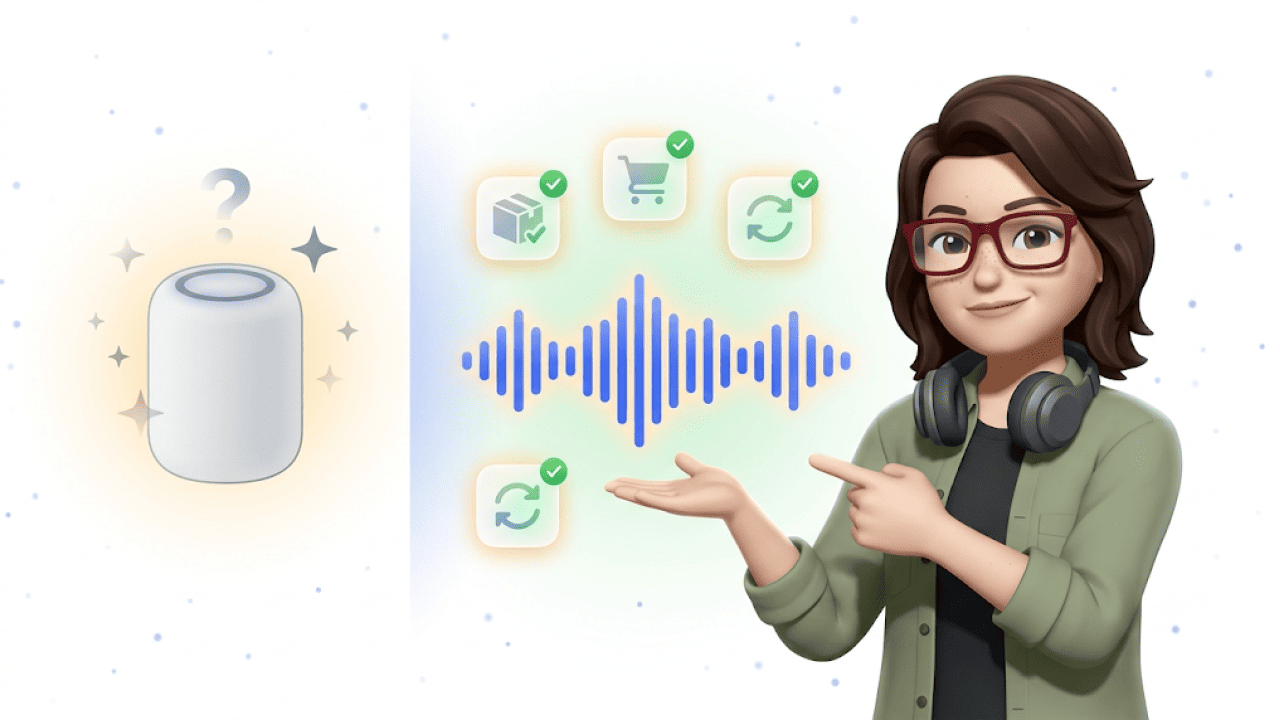
In the DACH region it looks different. Smart speakers sit in millions of households. But they're used mostly for music, weather and timers, not for shopping. The pure "Alexa, buy this" purchase stays a niche.
In concrete terms: if you're waiting for the big consumer voice shopping breakthrough via smart speaker, you'll be waiting longer in the DACH market. The real growth is happening elsewhere: in voice-based customer service and in order intake by phone.
Voice Commerce Examples: What Already Works Today
Enough theory. Here's what's running in real retail:
1. Reorder of consumables. Coffee, pet food, cosmetics, printer cartridges. Products you buy regularly are well suited to voice ordering. No browsing needed, the customer knows exactly what they want.
2. Voice search in shops and apps. Instead of clicking through filters, you speak your query. Works well with large catalogues, as long as the voice recognition does its job cleanly and understands product names, brands and dialects.
3. Order intake by phone via AI. The underrated classic. Many customers, older audiences in particular, would rather call than order online. An AI phone assistant takes these calls around the clock, captures the order and feeds it into the system.
4. Status and WISMO requests. "Where is my order?" is one of the most common support questions in e-commerce. A voicebot answers it automatically, as soon as it has access to the shipping status.
The mature use cases are rarely the spectacular "smart speaker purchase." They're the unglamorous things: reordering, status checks, phone support. That's exactly where the real value emerges.
Voice Commerce and Shopify: How Does That Fit Together?
You run a Shopify store and wonder where voice fits in? Fair.
Shopify itself offers no native "voice purchase" button. But there are several entry points:
- Apps for voice search connect via the App Store. They add a voice layer to your site search.
- Voicebots on the phone dock in through the Shopify API. They read order data, stock levels and shipping status, and can create orders.
- Headless setups allow deeper integrations, such as custom voice interfaces in apps.
The decisive point: voice commerce on Shopify lives on its data connection. A voicebot is only as good as its access to your order and product data. Without a clean API connection, the AI is talking into the void.
So: the technology is there. The question is whether the effort pays off for your catalogue and your call volume. More on that in a moment.
Voice Commerce Trends: Where Is This Heading?
A few developments shaping the market right now:
Generative AI changes the quality. Earlier voicebots sounded robotic and only understood exact commands. Modern systems built on large language models hold real conversations and grasp context and dialect. That's the biggest leap of the past few years.
A shift from buying to service. The hype around pure voice purchasing is flattening out. Instead, the use of voice is growing in customer service: order intake, status requests, returns.
The phone as a voice channel. Instead of betting on smart speakers, retailers use the channel every customer already has: the phone. An AI answering machine or automated call handling replaces the classic hotline hold loop.
Data protection as a brake. In DACH, the GDPR is a real factor. Voice recordings count as sensitive data. Providers with EU hosting and clean processing have an edge here. Consumer speakers from the US have a harder time.
In short: the trend is moving away from the spectacle of voice purchasing, toward useful voice-based service.
What Does Voice Commerce Cost, and Who Is It Worth It For?
There's no flat price. The models on the market mostly charge per minute, per call or via credit packages. On top of that come setup and integration.
The simple ROI logic for online shops: call volume × automation rate × cost per manual call. If you get 2,000 calls a month and automate 60% of them, you save real staff time. If you get 50 calls a month, probably not.
Pricing models differ a lot between providers. If you compare, look at the setup costs, the per-minute or per-call price, and above all whether the tool actually automates the call types that matter in e-commerce: order status, returns, order intake.
Who Voice Commerce Works For, and Who It Doesn't
An honest fork. Voice isn't equally useful for everyone.
Are you a private consumer? Then voice commerce is still a gimmick for you. Smart speaker purchasing works for simple reorders, but hits its limits fast. As soon as you want to compare products, check options or raise special requests, typing and clicking win. Sensitive purchases, the expensive or consultation-heavy kind, don't belong in a voice command.
Do you run an online shop? Then it's worth a look, but not everywhere. Voice makes sense when:
- you have high call volume (orders, WISMO, standard questions)
- a large share of requests is recurring and simple
- you have a shop system with an API (Shopify, WooCommerce, etc.)
- your audience likes to call rather than chat
Less useful when your business is consultation-heavy, you get few calls, or every case is a one-off. Then the setup effort eats the benefit.
FAQ — Voice Commerce
What is voice commerce, simply explained?
Voice commerce is shopping or purchase support by voice. Instead of typing, you speak: with a smart speaker, in an app, or on the phone with an AI voicebot.
Is voice commerce already reality in DACH?
Partly. The pure smart speaker purchase is a niche here. Voice-based customer service and AI phone order intake, on the other hand, are mature and in use.
Does voice commerce work with Shopify?
Yes. Shopify has no native voice purchase, but it connects via apps and the API, for example for voice search or a phone voicebot that reads out order data.
What are typical voice commerce examples?
Reordering consumables, voice search in the shop, phone order intake, and automatic answers to "Where is my order?".
Is voice commerce the same as a chatbot?
No. A chatbot works in text, voice commerce runs on speech. Voice places higher demands on recognition and conversation flow.
Is voice commerce worth it for small shops?
It depends. With few calls and consultation-heavy products, usually not. With high volume of simple standard requests, yes.
Is GDPR-compliant voice commerce possible?
Yes. The condition is providers with EU hosting and clean processing of voice data. Voice recordings count as sensitive data.
How expensive is a voice system for my shop?
Prices vary a lot. Mostly per minute, per call or via credit packages, plus setup. The exact breakdown depends on the provider and your call volume.
Does a voicebot understand dialect too?
Yes. Modern systems built on large language models recognize dialects far better than older voice recognition. It's not perfect, but it's good enough for everyday use.
When should a human take over instead of the AI?
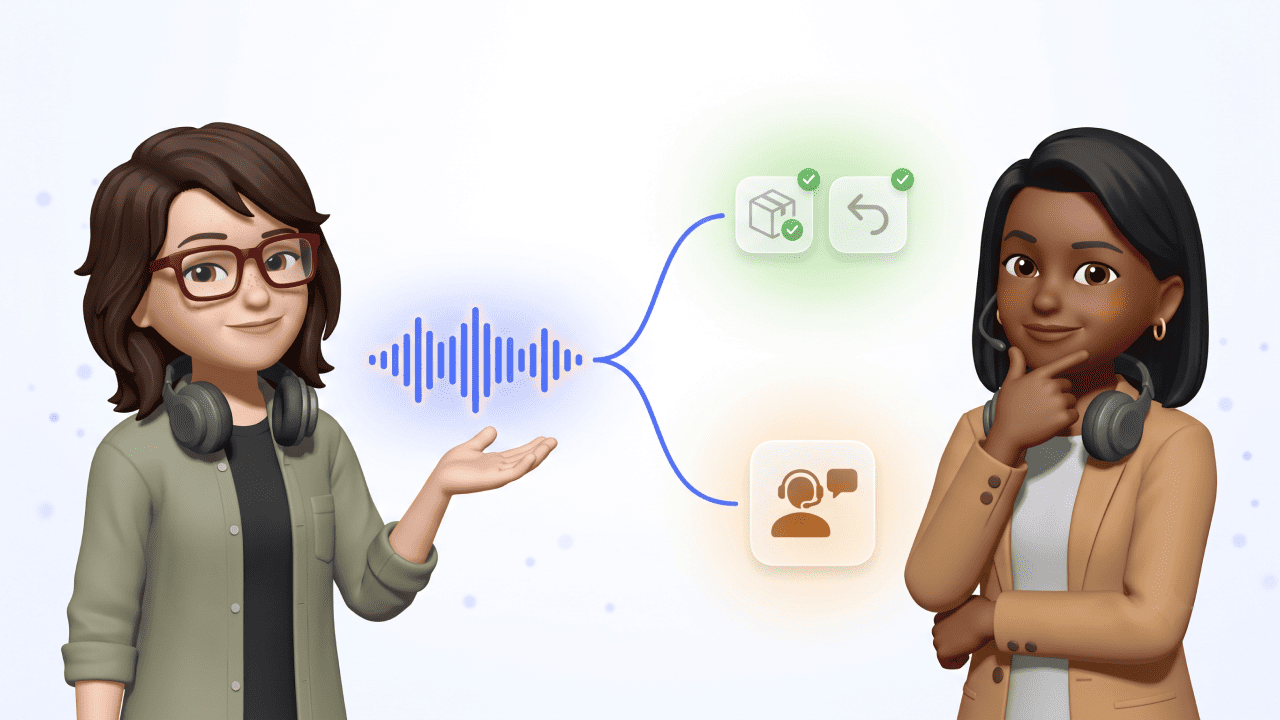
With complex complaints, sensitive cases, and anything that needs empathy or negotiation. Good systems escalate such cases to a human automatically.
Conclusion: The Real Lever Is Voice-Based Service
Voice commerce is a bundle of use cases. Some overhyped, some already useful today. The pure voice purchase via smart speaker stays a niche in DACH for now. The real lever sits in voice-based service: order intake, status requests, phone support around the clock.
If you run high call volume in e-commerce and are thinking about AI-supported customer service, a sober look at voicebot solutions for your shop pays off. That's exactly what armincx is built for: an AI phone assistant for online shops that connects to Shopify, JTL or Xentral and handles standard requests on the phone. That's running today, no smart speaker hype required.