









How did Fellstern set up armincx?
Fellstern rolled out armincx without pausing day-to-day operations. Our team supported Fellstern from kickoff all the way to the first workflows.
Step 1: Kickoff
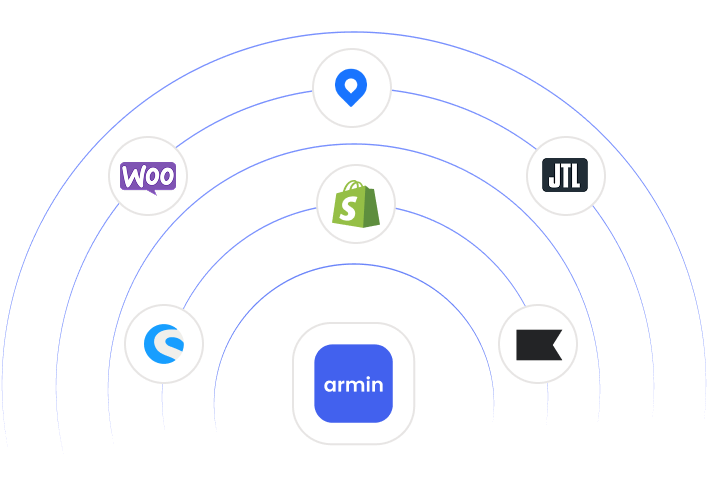
At kickoff, the goal was clear: a hybrid model where recurring emails run automatically and tricky cases stay with the team. Together, we defined which requests could be standardized and which systems needed to be connected. It quickly became clear that armincx covers every integration Fellstern needed and can send individual emails based on the DHL status.
Step 2: Migration during live operations
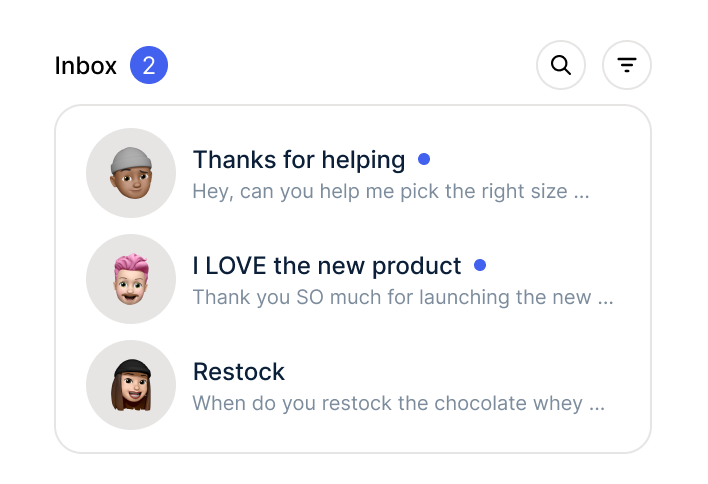
With Fellstern's email volume, a backlog builds up after just two or three days without processing. Pausing for the switch was not an option. The inbox and macros moved from Zendesk to armincx while operations kept running, and the team carried on without interruption. Because the macros came along, the familiar replies were ready from day one.
Step 3: Go-live with Shopify and DHL
For go-live, Fellstern connected Shopify and DHL. Since then, order data and the current shipment status sit right in every ticket. The support team works entirely in armincx and has everything it needs for a reply in one place.
Step 4: Define workflows
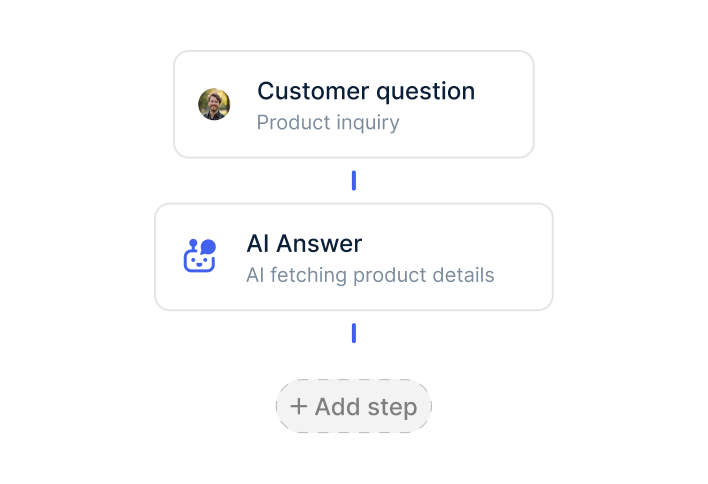
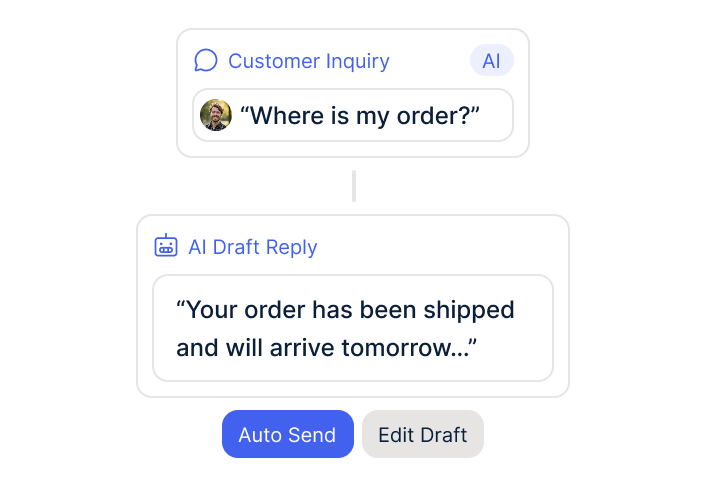
Next, Fellstern defined its first workflows. Whenever a customer asks about their parcel, the shipping workflow checks the DHL status and sends a different message depending on the case, with exactly the right information. The returns workflow distinguishes between exchanges and returns, a big advantage for a brand that sells sized products. Both cover several scenarios, so they were built step by step together with our team.
Step 5: Expand
The most important workflows are live. Now Fellstern is analyzing where recurring emails still come in and will automate further as the need arises. The principle stays the same: automate whatever can be standardized.